Rain Clouds Gather Over Colombo Ahead of Crucial T20 World Cup Clash
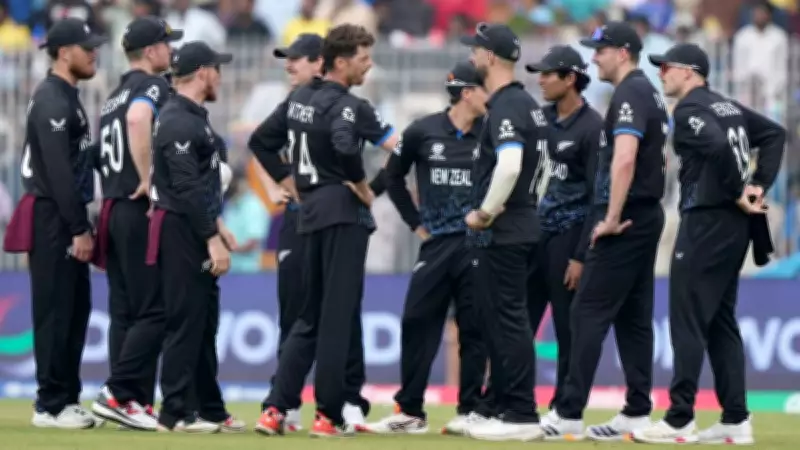
The highly anticipated Super Eight match between England and New Zealand in the T20 World Cup 2026 is under a significant weather threat, with forecasts predicting heavy rain in Colombo. This crucial encounter, scheduled as part of the tournament's knockout stage, faces potential disruption that could impact not only the match outcome but also the broader dynamics of the Super Eight group.
Detailed Weather Forecast Paints a Grim Picture
Meteorological reports from Colombo indicate a high probability of precipitation throughout the day of the match. Weather monitoring stations have recorded increasing cloud cover and atmospheric instability, suggesting that rain showers could begin several hours before the scheduled start time and potentially continue intermittently. The forecast specifically mentions the likelihood of thunderstorms accompanied by moderate to heavy rainfall, which could lead to waterlogging on the field and make playing conditions hazardous.
Local authorities have been monitoring the situation closely, with ground staff at the venue preparing contingency plans. The pitch, which has been carefully maintained for this high-stakes match, now faces the risk of becoming unplayable if the predicted rainfall materializes. Historical weather data for Colombo during this period shows that such conditions are not uncommon, but the timing could not be worse for this critical World Cup fixture.

Potential Impact on Match Scheduling and Team Strategies
The uncertainty surrounding the weather has forced both teams to reconsider their strategies. England, known for their aggressive batting approach, might need to adjust their game plan if overs are reduced due to rain interruptions. Similarly, New Zealand's balanced attack could be compromised if the conditions favor swing bowling more than anticipated. The Duckworth-Lewis-Stern (DLS) method for rain-affected matches adds another layer of complexity, requiring captains to make tactical decisions based on potential revised targets.
Tournament organizers have confirmed that they have reserve days allocated for Super Eight matches, but a complete washout would force the match to be rescheduled, creating logistical challenges for teams, broadcasters, and fans. The International Cricket Council (ICC) has protocols in place for such scenarios, including minimum over requirements for a completed match and procedures for sharing points if no play is possible.
Broader Implications for the T20 World Cup 2026
This weather threat comes at a pivotal moment in the tournament, with the Super Eight stage determining which teams advance to the semi-finals. Both England and New Zealand are strong contenders, and the outcome of this match could significantly influence the final standings. A rain-affected result or no-result could benefit other teams in the group, adding an element of unpredictability to the competition.
Cricket fans worldwide are anxiously watching the weather updates, hoping for a clear window that allows for a full, uninterrupted contest. The match represents not just a clash between two cricketing powerhouses but also a test of the tournament's resilience against natural disruptions. As teams finalize their preparations, all eyes remain on the Colombo skies, with the hope that the weather will cooperate for what promises to be a thrilling encounter in the T20 World Cup 2026.