PCB Chief Naqvi Clarifies Motive Behind India Match Decision
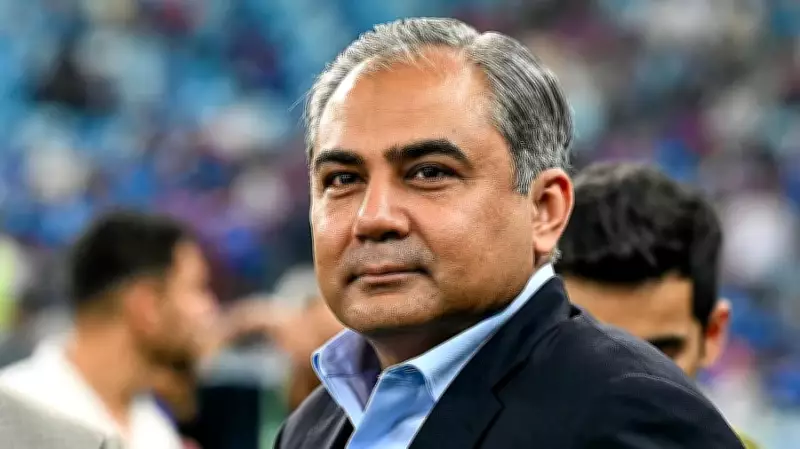
In a recent statement, Pakistan Cricket Board (PCB) chairman Mohsin Naqvi has shed light on the rationale behind agreeing to play against India in the upcoming T20 World Cup. Naqvi emphasized that the primary objective was to secure respect for Bangladesh, rather than being driven by political considerations.
Background: Government's Initial Stance on the Match
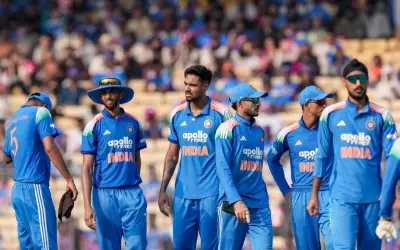
Earlier this month, the Pakistan government announced that its national cricket team would not participate in the group game against India scheduled for February 15, 2026, in Colombo. This decision sparked widespread debate and speculation about the underlying reasons, with many attributing it to ongoing diplomatic tensions between the two nations.
Naqvi's Perspective: Focusing on Cricket and Respect
Naqvi, however, has provided a different angle, stating that the PCB's sole aim was to ensure Bangladesh receives the respect it deserves in the cricketing world. He highlighted that the match against India is a crucial part of the tournament and that participating would demonstrate Pakistan's commitment to the spirit of the game and regional cooperation.

Key points from Naqvi's explanation include:
- The decision was made with Bangladesh's interests in mind, aiming to bolster its standing in international cricket.
- PCB sought to avoid letting political issues overshadow the sporting event, prioritizing the integrity of the T20 World Cup.
- By playing the match, Pakistan aims to set a positive example for cricket diplomacy in South Asia.
Implications for the T20 World Cup and Regional Relations
This development comes at a critical time as the T20 World Cup approaches, with fans eagerly anticipating high-profile matches. Naqvi's comments suggest a shift towards using cricket as a platform for fostering respect and unity among neighboring countries, rather than as a tool for political posturing.
The PCB's stance could influence future cricketing engagements in the region, potentially paving the way for more collaborative efforts. It remains to be seen how this decision will impact the dynamics of the tournament and the broader relationship between Pakistan and India.
As the February 15 match draws near, all eyes will be on Colombo to see how this narrative unfolds on the field, with Naqvi's words adding a layer of diplomatic significance to the sporting contest.