Hardik Pandya Discloses Team India's Strategic Vigilance During T20 World Cup
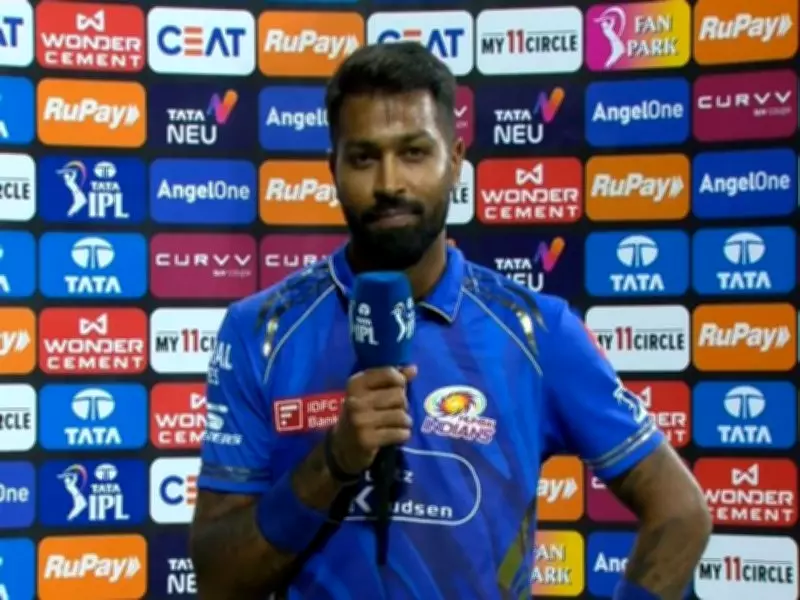
In a revealing statement, Indian all-rounder Hardik Pandya has shared insights into the team's tactical approach during the recent T20 World Cup. Pandya emphasized that the entire squad was attentively observing the crucial match between South Africa and West Indies, a game that significantly influenced their preparations and decision-making processes.
Monitoring the Competition: A Key Element of India's Strategy
Pandya explained that keeping a close watch on the South Africa versus West Indies encounter was not merely a casual observation but a deliberate part of India's strategic framework. The outcome of that match had direct implications for India's position in the tournament standings and their potential opponents in the knockout stages. By analyzing the performances, strengths, and weaknesses displayed by both teams, the Indian management aimed to fine-tune their own game plans and adapt to evolving scenarios.
"We all were keeping an eye on the SA-WI game," Pandya stated, highlighting the collective focus within the team. This vigilance allowed them to assess pitch conditions, player form, and tactical nuances that could be leveraged in their subsequent matches. The all-rounder noted that such meticulous attention to detail is essential in high-stakes tournaments like the T20 World Cup, where every match can alter the course of a team's campaign.

Impact on Team Dynamics and Performance
The insights gained from monitoring the South Africa-West Indies clash reportedly contributed to India's on-field adjustments and mental preparedness. Pandya mentioned that discussions among players and coaches often revolved around key moments from that game, fostering a proactive rather than reactive mindset. This approach helped the team anticipate challenges and devise counter-strategies, enhancing their overall competitiveness.
Furthermore, Pandya underscored the importance of teamwork and shared responsibility in such scenarios. He pointed out that every member of the squad, from seasoned veterans to emerging talents, played a role in gathering and analyzing information. This collaborative effort not only strengthened team cohesion but also ensured that decisions were well-informed and aligned with broader tournament objectives.
Broader Implications for Cricket Strategy
Pandya's revelations shed light on the evolving nature of cricket strategy, where data analysis and real-time monitoring have become integral components. In modern tournaments, teams increasingly rely on such methods to gain a competitive edge, moving beyond traditional preparation techniques. The emphasis on watching rival matches reflects a shift towards a more analytical and adaptive approach in the sport.
As cricket continues to globalize, with events like the T20 World Cup attracting diverse teams and playing styles, the ability to quickly assimilate and act on external information becomes crucial. Pandya's comments suggest that India is embracing this trend, leveraging technology and collective intelligence to stay ahead of the curve.
In conclusion, Hardik Pandya's disclosure about Team India's focus on the South Africa-West Indies game underscores the meticulous planning and strategic depth involved in contemporary cricket. It highlights how top-tier teams utilize every available resource to optimize performance, demonstrating that success in tournaments often hinges on both on-field prowess and off-field vigilance.