In a move that has reignited diplomatic tensions on the cricket field, Pakistan has once again taken a subtle swipe at India through a promotional video released ahead of their upcoming T20 International series against Australia. The video cleverly revisits the much-debated 'handshake' controversy that has simmered between the two rival nations in recent tournaments.
The Origins of the Handshake Standoff
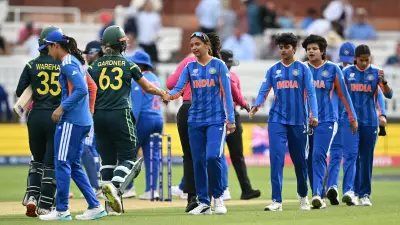
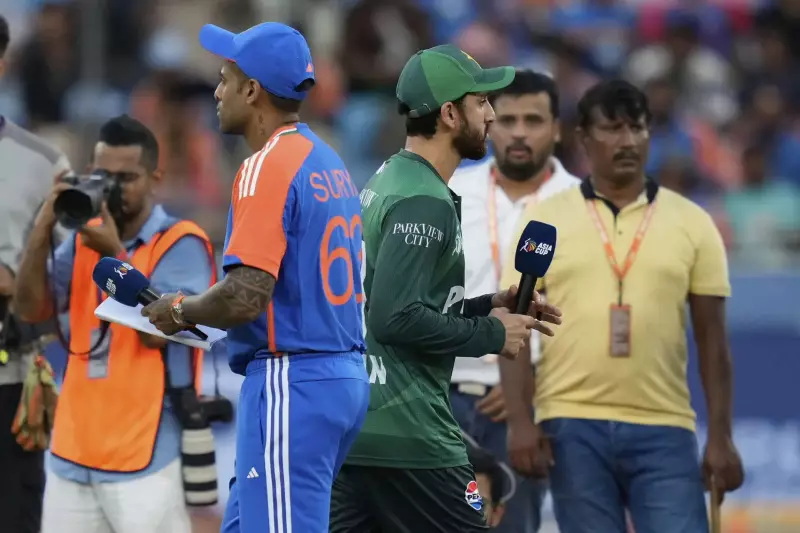
The reference stems from events following the Pahalgam terror attacks, after which Indian players made a conscious decision to refrain from shaking hands with their Pakistani counterparts during several global cricket tournaments. This issue first came into sharp focus at the Asia Cup 2025, where India and Pakistan faced each other three times in high-stakes matches.
On each of those occasions, India's captain Suryakumar Yadav notably did not exchange handshakes with Pakistan skipper Salman Ali Agha, either during the toss ceremony or after the conclusion of the matches. This deliberate gesture created significant buzz in cricketing circles and became a talking point in sports diplomacy between the two nations.

Pakistan's Promotional Strategy
Pakistan's latest promotional video largely focuses on portraying the country as a warm and welcoming destination for Australian supporters, highlighting local hospitality and cultural richness. Agha himself appears briefly in the video, speaking about how guests are traditionally treated in Pakistan with respect and warmth.
However, it is the closing sequence that has drawn particular attention and criticism from observers. In the clip, an Australian tourist steps out of a car without shaking hands with the driver who has just assisted him. He is then gently reminded in Hindi-Urdu, "Handshake bhool gaye aap, lagta hai padosiyon ke paas bhi ruke thay" — which translates to "You forgot the handshake, it seems you've also stayed with the neighbors."
This line is widely interpreted as a direct dig at India and the earlier handshake episode, suggesting the Australian tourist may have picked up the habit from Pakistan's immediate neighbors. The subtlety of the reference has made it particularly noteworthy in diplomatic circles.
Previous Escalation and Current Context
The controversy around handshakes had previously escalated to serious diplomatic levels, with Pakistan reportedly threatening to pull out of the Asia Cup midway through the tournament. This followed a standoff with the International Cricket Council over match referee Andy Pycroft's handling of the situation.
Australia's upcoming tour holds significant importance as part of their preparation for the ICC Men's T20 World Cup, which will be jointly hosted by India and Sri Lanka. The Australian team is scheduled to play three T20 Internationals in Lahore, with all three day-night matches set to be held at the historic Gaddafi Stadium on January 29, January 31, and February 1.
After completing this series, both teams will head directly to the World Cup, with Australia playing their group matches in India, while Pakistan will be based in Sri Lanka for their initial matches. This marks Australia's first T20 tour of Pakistan since April 2022, when they last visited for a Test series followed by limited-overs matches.
Broader Implications for Cricket Diplomacy
The timing of this promotional video is particularly significant given the upcoming World Cup schedule and the historical tensions between India and Pakistan in cricketing contexts. Such subtle references in official promotional material highlight how sports diplomacy continues to be a complex arena where political undertones often surface through seemingly innocent gestures and statements.
As both nations prepare for major international tournaments, these small gestures continue to shape the narrative around one of sports' most intense rivalries, demonstrating how cricket remains intertwined with broader geopolitical dynamics in the South Asian region.