Pakistan Threatens to Boycott India Match in T20 World Cup 2026, May Face Severe Consequences
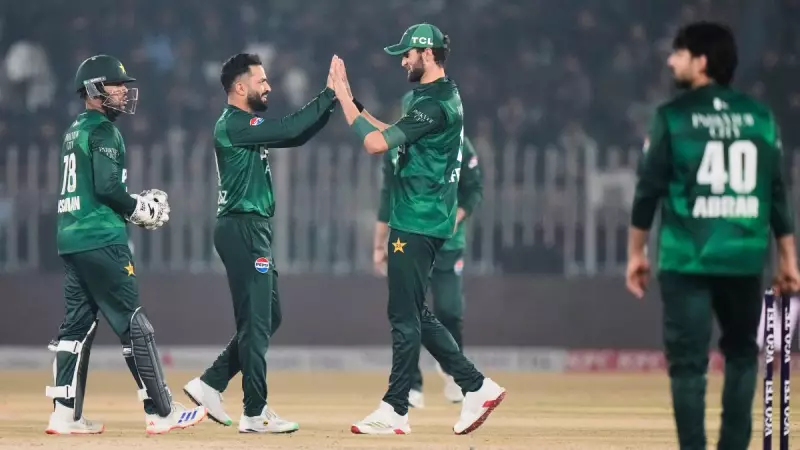
In a dramatic development that has sent shockwaves through the cricketing world, Pakistan has issued a stern threat to boycott its highly anticipated match against arch-rivals India in the upcoming T20 World Cup 2026. This potential boycott, driven by escalating political tensions between the two nations, could have far-reaching implications for the tournament and the sport itself.
Escalating Tensions Prompt Boycott Threat
The threat of a boycott comes amid a backdrop of strained diplomatic relations between India and Pakistan, which have historically spilled over into the sporting arena. Pakistani cricket authorities have reportedly cited unresolved political issues as the primary reason for considering this drastic step. The match, which is traditionally one of the most-watched events in global cricket, is scheduled to take place during the T20 World Cup in 2026, adding significant weight to the controversy.
This move marks a significant escalation in the use of sports as a political tool, with Pakistan's cricket board indicating that they are prepared to forfeit the match if their concerns are not addressed. The decision has sparked intense debate among fans, analysts, and officials, who fear it could undermine the spirit of the game and set a dangerous precedent for future international tournaments.

Potential Consequences and ICC's Stance
Should Pakistan proceed with the boycott, the team could face severe consequences from the International Cricket Council (ICC). The ICC has strict regulations governing participation in sanctioned events, and a unilateral boycott could result in penalties such as fines, point deductions, or even suspension from future tournaments. These repercussions would not only affect Pakistan's standing in world cricket but also impact the financial and logistical aspects of the T20 World Cup 2026.
Moreover, the boycott threat raises questions about the broader impact on bilateral cricket relations. India and Pakistan have a storied cricketing history, but political disputes have often limited their encounters to multi-nation events like the World Cup. A boycott could further strain these ties, potentially delaying any resumption of regular bilateral series between the two cricketing giants.
Reactions from the Cricketing Community
The cricketing community has reacted with a mix of concern and disappointment to Pakistan's threat. Many former players and experts have urged both sides to keep politics separate from sports, emphasizing that cricket should serve as a bridge between nations rather than a battleground. Fans, particularly in both countries, have expressed hope for a resolution that allows the match to proceed, given its immense popularity and the excitement it generates globally.
As the situation unfolds, all eyes will be on the ICC and the respective cricket boards to navigate this delicate issue. The outcome could shape not only the T20 World Cup 2026 but also the future of India-Pakistan cricketing relations in an increasingly politicized environment.