Pakistan Skipper Salman Agha's Handshake Remark on India Match Sparks Debate
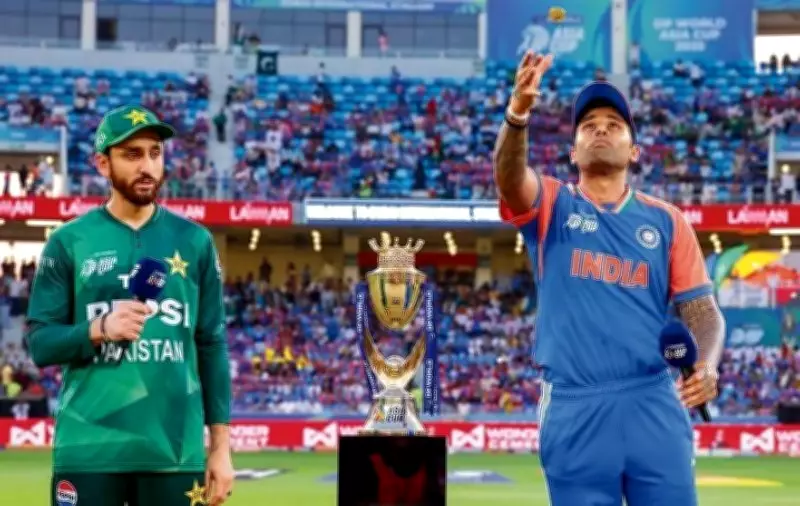
In a recent development that has captured the attention of cricket fans and analysts worldwide, Pakistan cricket captain Salman Agha has made a non-committal statement regarding a potential handshake with the Indian team ahead of the T20 World Cup 2026. His remark, "We'll see about it tomorrow," has ignited a flurry of discussions on sportsmanship, bilateral relations, and the high-stakes nature of India-Pakistan cricket encounters.
The Context of the Statement
The comment came during a press conference where Salman Agha was addressing questions about Pakistan's preparations for the upcoming T20 World Cup 2026. When specifically asked about the possibility of a handshake with the Indian team, a traditional gesture of goodwill in sports, Agha responded with a cautious and evasive tone. This has led to widespread speculation about the underlying tensions between the two cricketing nations, which have a long history of political and diplomatic disputes that often spill over into the sporting arena.
Reactions and Implications
The reaction to Salman Agha's statement has been mixed. Some critics argue that his response undermines the spirit of cricket, which emphasizes respect and camaraderie among players, regardless of national rivalries. They point out that handshakes are a standard part of international sports etiquette, and avoiding them could set a negative precedent. On the other hand, supporters of Agha suggest that his remark reflects the complex geopolitical realities between India and Pakistan, where even simple gestures can be loaded with political significance.

Experts in sports diplomacy have weighed in, noting that such incidents highlight the broader challenges of maintaining sportsmanship in high-pressure matches between rival nations. The T20 World Cup 2026, scheduled to be a major global event, is expected to feature intense competition, and the India-Pakistan clash is always a highlight. Agha's comment has added an extra layer of intrigue to this anticipated matchup, with fans and pundits now closely watching for any further developments.
Historical Background
India and Pakistan have a storied cricketing rivalry that dates back decades, marked by memorable matches and occasional controversies. Handshakes and other gestures of sportsmanship have sometimes been points of contention, reflecting the fluctuating state of bilateral relations. In recent years, there have been instances where players from both sides have exchanged pleasantries, but also moments of tension, such as during the 2022 T20 World Cup when interactions were limited due to political sensitivities.
Salman Agha, as the newly appointed captain of the Pakistan team, is under scrutiny for his leadership style and diplomatic approach. His handling of this issue could influence team morale and public perception, both domestically and internationally. The Pakistan Cricket Board (PCB) has not yet issued an official statement on the matter, leaving room for further speculation.
Looking Ahead to the T20 World Cup 2026
As preparations for the T20 World Cup 2026 ramp up, this incident serves as a reminder of the unique pressures faced by players in India-Pakistan contests. The tournament, set to feature teams from around the globe, will likely see intense media focus on any interactions between the two sides. Cricket authorities and fans alike will be hoping for a display of competitive yet respectful sportsmanship, but Agha's remark suggests that this may not be a straightforward expectation.
In conclusion, Salman Agha's "We'll see about it tomorrow" comment has sparked a significant debate on the intersection of sports and politics. Whether this leads to a handshake or further tension remains to be seen, but it undoubtedly adds to the drama surrounding one of cricket's most iconic rivalries. The world will be watching closely as the T20 World Cup 2026 approaches, with this issue likely to resurface in the lead-up to the tournament.