Pakistan Captain Condemns India's Asia Cup Conduct, Announces World Cup Boycott
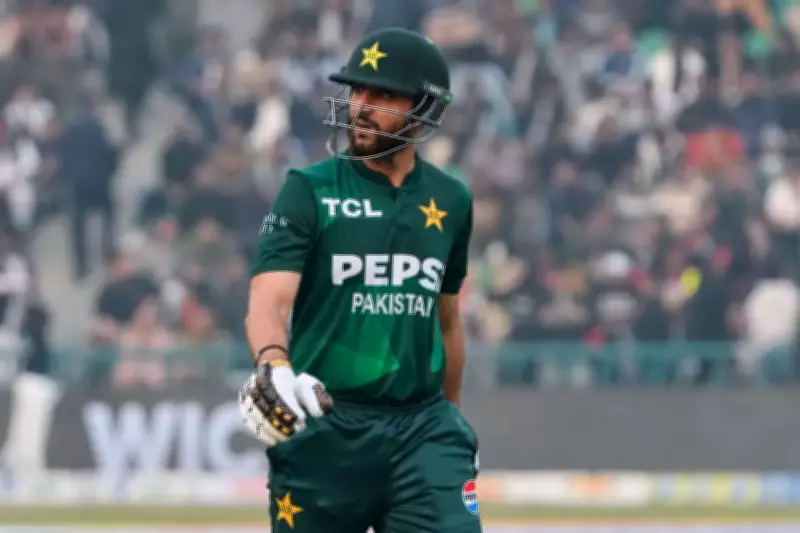
In a significant development ahead of the T20 World Cup commencing on February 7, Pakistan captain Salman Ali Agha has publicly criticized the Indian cricket team for their decision to avoid post-match handshakes during last year's Asia Cup tournament. The Pakistani skipper expressed his disappointment while addressing the media on the eve of his team's opening match against the Netherlands.
Government Announces Official Boycott of India Match
The Pakistan government has formally declared that their national cricket team will boycott the group stage contest against India scheduled for February 15 in Colombo. This decision comes as a show of solidarity with Bangladesh, who were removed from the World Cup tournament after their cricket board raised security concerns about playing in India.
Pakistan Prime Minister Shehbaz Sharif confirmed on Wednesday that the boycott represents their support for Bangladesh, whose request to relocate matches to Sri Lanka was dismissed by the International Cricket Council. "Bangladesh are our brothers. Really sad for them," stated Salman Ali Agha, echoing the sentiment behind the political decision.

Captain Questions Role Model Behavior
Salman Ali Agha expressed deep concern about the message being sent to young cricket fans across both nations. "We don't really feel hurt or anything like that. But, yeah, for the game is not good. I can say that with my chest open. For the game, these things obviously should not happen," the Pakistan captain remarked.
He emphasized the responsibility that comes with being an international cricketer, stating: "And me, growing up as a kid, always have seen people doing what required for the game to be improved. And I think by doing that, we, to some extent, we are role models. We don't do that."
The captain warned about the potential consequences of such behavior: "Because if you do that, then kids are going to pick up this and tomorrow they are going to do the same things. So, I think these things should not happen. Because if you think role models, I think role models don't do this stuff."
Asia Cup Controversy Background
During the Asia Cup held in the United Arab Emirates last year, India defeated Pakistan in all three encounters between the arch-rivals, including the tournament final. However, these matches were overshadowed by controversy when the Indian team walked off the field without participating in the customary post-match handshakes following their group stage victory in Dubai.
The tension escalated further after the final match, when India refused to accept the championship trophy from Pakistan Cricket Board officials and Asian Cricket Council chief Mohsin Naqvi. This diplomatic standoff has resulted in India not yet being formally reconciled with the silverware from that tournament.
World Cup Implications and Strategy
With Pakistan tentatively withdrawing from their scheduled match against India in Group A of the T20 World Cup, the team now faces the challenging task of winning all three remaining matches against the Netherlands, USA, and Namibia to secure progression in the tournament. This boycott decision means Pakistan would receive zero points from the India match, creating significant pressure on their net run rate calculations.
Despite these complications, Salman Ali Agha denied feeling additional pressure: "No, there is no pressure at all because whenever you come to an ICC tournament, you have to win almost all of your games. And when we came here, we thought that we will win all the games and give our best in all the games. In the same way, we will try to give our best in the games that we play."
Preparation and Tournament Outlook
Pakistan enters the T20 World Cup with considerable momentum after achieving a convincing 3-0 series victory against Australia on home soil. Regarding their opening match against the Netherlands, Agha acknowledged limited familiarity with their opponents but expressed confidence in their strategic approach.
"We need to be cautious and bring our A-game," the captain stated, while revealing their tactical plan: "We intend to unleash all our spin options because we feel they are vulnerable against quality spin."

Pakistan's revised tournament schedule now includes matches against the Netherlands on Saturday, followed by encounters with the USA on February 10, tentatively India on February 15, and Namibia on February 18. The team's performance in these matches will determine their fate in the prestigious international tournament.