Pakistan Cricket Board Bows to ICC Pressure, Announces T20 World Cup 2026 Squad
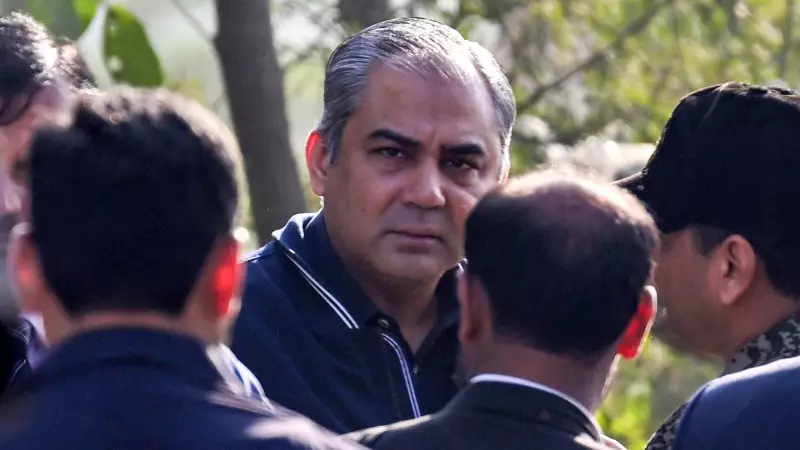
The Pakistan Cricket Board (PCB) has officially announced its 15-man squad for the T20 World Cup 2026, following what appears to be a capitulation to pressure from the International Cricket Council (ICC). This development comes after the global cricketing body issued a stern warning about potential sanctions against Pakistan, triggered by recent controversial statements from PCB chief Mohsin Naqvi.
ICC's Sanctions Warning Forces Pakistan's Hand
According to reports, the ICC had threatened severe consequences if Pakistan failed to participate in the upcoming T20 World Cup. The international body reportedly warned of multiple sanctions, including:
- Suspension of all bilateral cricket series with other international teams
- Denial of No Objection Certificates (NOCs) for foreign players participating in the Pakistan Super League (PSL)
- Exclusion from future Asia Cup tournaments
An ICC source was quoted stating, "If Pakistan also decides not to play the T20 World Cup, the ICC will impose a series of sanctions, including no bilateral series with any international team, no NOC for foreign players in PSL, and no Asia Cup participation."

The Controversy Over Bangladesh's World Cup Participation
The tension between Pakistan and the ICC stems from PCB chief Mohsin Naqvi's public support for Bangladesh during a recent venue controversy. The Bangladesh Cricket Board had requested to change their T20 World Cup venue from India to Sri Lanka, a request the ICC denied while giving Bangladesh just 24 hours to decide about playing in India.
When Bangladesh ultimately declined to play in India, the ICC replaced them with Scotland for the tournament. Naqvi criticized this decision, accusing the ICC of "double standards" and stating, "Bangladesh has been treated unfairly. You cannot have double standards, where one country can make whatever decision whenever and do the total opposite for another country."
Notably, Pakistan had proposed a hybrid model for Bangladesh similar to what was arranged for their own matches in Sri Lanka, but the ICC rejected this request citing logistical and scheduling conflicts.
Pakistan's Initial Defiance and Subsequent Reversal
Initially, Naqvi had taken a defiant stance regarding Pakistan's World Cup participation, stating that the decision would be made by the Pakistani government rather than the ICC. He said, "Our stance [on playing T20 World Cup] will be what the government of Pakistan instructs me... It's the government's decision. We obey them, not the ICC."
However, shortly after news of the ICC's sanctions warning emerged, the PCB performed a complete reversal and announced their World Cup squad, suggesting the threat of severe consequences proved decisive.
Pakistan's T20 World Cup 2026 Squad Composition
The announced squad shows several significant changes and notable inclusions:
- Salman Ali Agha has been named captain of the side
- Former captain Babar Azam makes a return to the T20 squad
- Pace bowler Haris Rauf has been omitted from the team
- Wicketkeeper-batter Mohammad Rizwan is also absent from the squad
The complete 15-player squad includes: Salman Ali Agha (captain), Abrar Ahmed, Babar Azam, Faheem Ashraf, Fakhar Zaman, Khawaja Mohammad Nafay (wicketkeeper), Mohammad Nawaz, Mohammad Salman Mirza, Naseem Shah, Sahibzada Farhan (wicketkeeper), Saim Ayub, Shaheen Shah Afridi, Shadab Khan, Usman Khan (wicketkeeper), and Usman Tariq.
Implications for Pakistan Cricket
This episode highlights the delicate balance cricket boards must maintain between national interests and international cricket governance. While Pakistan initially stood in solidarity with Bangladesh over perceived unfair treatment, the practical reality of potential ICC sanctions appears to have forced a strategic retreat.
The squad announcement, coming so quickly after the ICC warning, suggests Pakistan recognized the severe consequences that could have impacted not just their World Cup participation but their entire cricket ecosystem, including the popular Pakistan Super League and future international engagements.