The once-dominant 50-over format of cricket is facing an existential crisis, pushed to the sidelines by the relentless march of T20 cricket. This concern, voiced sharply by modern greats like India's R Ashwin and Australian legend Ricky Ponting, is backed by hard data showing a clear shift in how the game is scheduled and consumed globally.
The Voices of Concern: Ashwin and Ponting Sound the Alarm
When ace Indian spinner R Ashwin called One-Day Internationals "redundant" during a recent YouTube stream, it was a calculated observation from one of the game's foremost thinkers. His comments reflect a growing anxiety within the cricketing community about the place of ODIs in a crowded calendar.
Echoing this sentiment, former Australia captain Ricky Ponting highlighted a technical decline linked to the format's waning importance. Speaking at an Idea Exchange by The Indian Express last year, Ponting noted that the art of batting against spin has suffered as ODI cricket declines. "The rhythm and tempo of one-day batting is not like it used to be because of how much T20 cricket is being played," Ponting stated. He pointed out that teams now approach the 50-over game as an extended T20 match, losing the unique strategic nuances that defined the format's best players.

The Numbers Don't Lie: T20Is Surging Ahead
The statistics since January 1, 2021, reveal a stark picture of changing priorities. Among cricket's powerhouses, India has played the most ODIs (82), but their T20I count is far higher at 126 matches. This pattern is consistent across major nations.
England and Australia have each played 68 and 64 ODIs respectively, but their T20I tally stands at 88 for both. South Africa has featured in 72 ODIs and 73 T20Is, while New Zealand's numbers show the sharpest contrast: just 45 ODIs compared to 61 T20Is.
The scheduling pattern is even more revealing when viewed through the lens of World Cup years. A significant chunk of ODIs are now clustered around the marquee 50-over World Cup. For instance, 35 of India's 82 ODIs in the last five years were played in 2023, the World Cup year. That number plummeted to just three in 2024. Australia played 22 ODIs in 2023 and only 11 in 2024. England's drop was from 24 to 8, and South Africa's from 25 to 9.
A Calendar Crunch and Commercial Realities
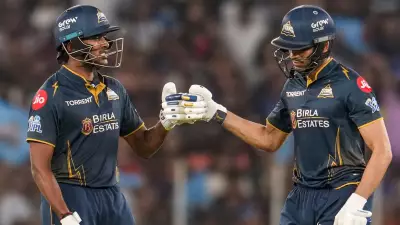
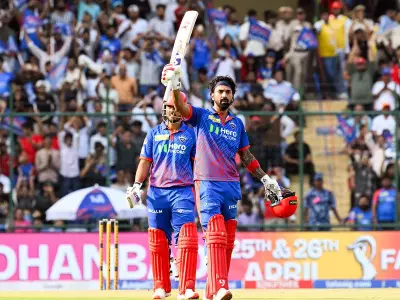
Ashwin has pinpointed the core issue: a packed schedule driven by revenue generation. "Every year, there is an ICC tournament for revenue generation," he remarked, criticizing the "overkill" of too many bilaterals, formats, and World Cups. The explosive growth of franchise T20 leagues like the IPL, the Big Bash League, and the SA20 has consumed massive chunks of the annual calendar, leaving little room for ODIs outside of mandatory ICC events.
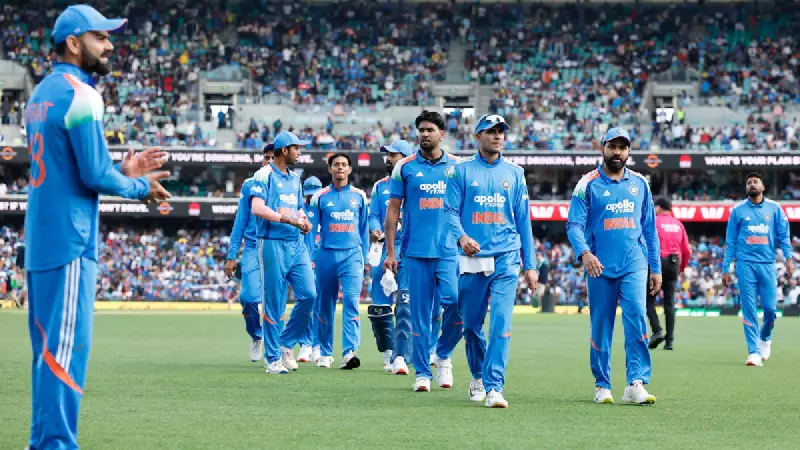
Interestingly, some nations like India still find commercial value in ODIs, especially with iconic players like Virat Kohli and Rohit Sharma now primarily active in this format and Tests. However, other boards are increasingly prioritizing Test cricket and T20Is, viewing the traditional 50-over game as the dispensable middle child.
The future of ODI cricket is not about extinction but irrelevance. Without intentional restructuring by the ICC and member boards, the format risks becoming a periodic event, only dusted off in the lead-up to a World Cup. It may survive, but as a sideshow, forever living in the long shadow cast by the commercial juggernaut and fan-friendly appeal of T20 cricket.