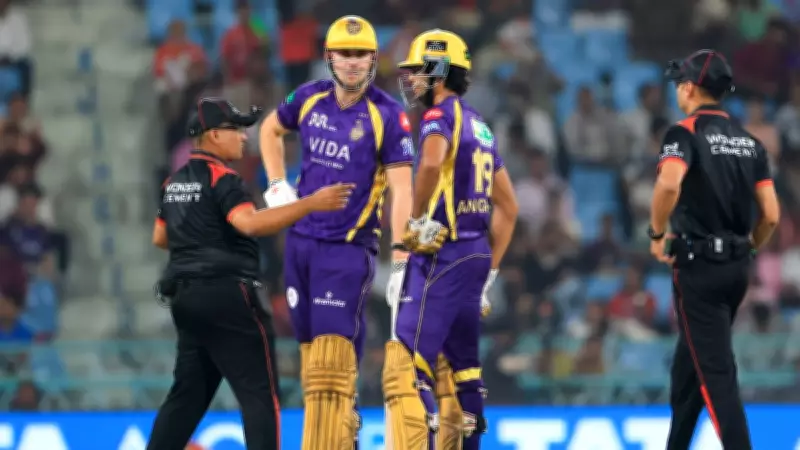
In a recent cricket match in Lucknow, a controversial dismissal under the 'obstructing the field' rule left fans and experts debating. Angrish Raghuvanshi was given out after the fielding side appealed, claiming he deliberately changed his running path to obstruct a throw. This article explains the rule and the incident in detail.
What is Obstructing the Field?
According to the Marylebone Cricket Club (MCC) laws, a batsman can be given out for obstructing the field if they wilfully obstruct the fielding side by word or action. The law aims to prevent unfair interference with the fielding team's efforts to dismiss the batsman or collect the ball.
The Incident in Lucknow
During the match between Lucknow Super Giants and their opponents, Raghuvanshi was batting when the bowler delivered the ball. After playing it, he ran towards the non-striker's end. The fielder, while attempting to throw the ball at the stumps, saw Raghuvanshi change his line. The umpire consulted and ruled him out, sparking debate on whether the movement was intentional.

Key aspects of the law:
- The batsman must have wilfully obstructed the field.
- Accidental obstruction does not lead to dismissal.
- The fielding side must appeal for the wicket.
Many former cricketers and analysts weighed in, with some arguing that Raghuvanshi's movement was natural while others believed he deliberately blocked the throw. The decision stood, and the batsman had to leave the field.
Historical Context
Obstructing the field dismissals are rare in cricket. Notable instances include Len Hutton in 1951 and more recently, in 2019, when a batsman was given out for kicking the ball away. The rule remains a contentious one, often leading to divided opinions.
This incident has reignited discussions about the clarity of the law and whether technology should be used more extensively to determine intent. For now, the decision remains part of the game's rich tapestry.