NFL Media Storm: Dianna Russini Faces Intense Scrutiny Over Mike Vrabel Resort Photos
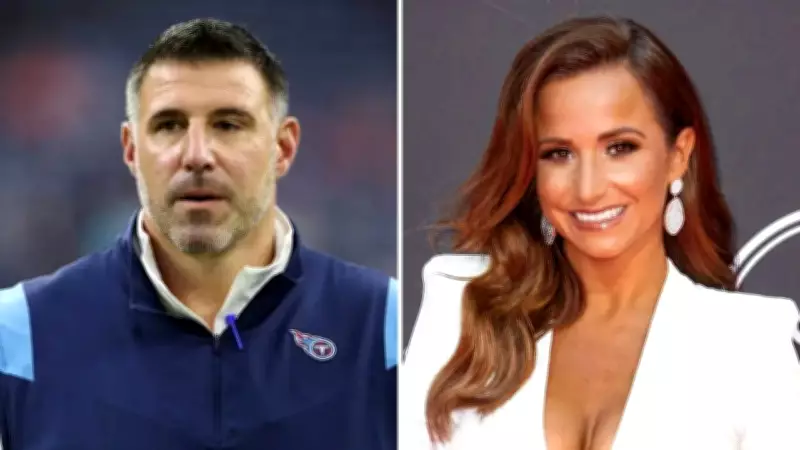
While photographs often capture only a fleeting moment, they possess the undeniable power to ignite widespread controversy. This reality has now engulfed prominent NFL reporter Dianna Russini, following the emergence of images showing her with former Tennessee Titans head coach Mike Vrabel at a luxurious Arizona resort. What initially appeared as a simple sighting has rapidly escalated into a full-blown debate reverberating throughout the National Football League community, with fans and commentators alike questioning professional boundaries and clamoring for transparent explanations.
Institutional Reviews and Mounting Pressure
The fallout has decisively moved beyond casual social media speculation. The New York Times has officially launched an internal review into the matter, while Russini's primary employer, The Athletic, is conducting a deeper investigation into the precise circumstances surrounding the meeting. Central to the escalating drama is a critical issue: context. The core dispute revolves around whether the explanation provided by Russini aligns with the narrative suggested by the photographic evidence.
Calls for Dianna Russini's dismissal have grown louder in the wake of the images, which have ignited a fierce media storm. The controversy originated from a detailed report published by the New York Post's Page Six, which offered a vivid description of the interactions. According to that initial account, a source observed the pair—both of whom are married to other individuals—sharing breakfast on a hotel restaurant patio around 10:30 a.m. on Saturday, March 28.

The report further stated they subsequently spent a relaxed hour together at the pool, lounging side-by-side in a hot tub. The same source allegedly spotted Vrabel and Russini again that evening on the private rooftop of one of the hotel's bungalows, which feature glass walls offering panoramic views of Arizona's famed Red Rock formations.
Russini's Defense and Employer's Support
Dianna Russini has issued a strong rebuttal to the implications drawn from the photos. She maintains that the images are misleading and fail to represent the complete social setting. "The photos don't represent the group of six people who were hanging out during the day," Russini asserted. She emphasized that, like many journalists covering the NFL, interactions with sources frequently occur away from traditional venues like stadiums.
For the time being, The Athletic has not withdrawn its institutional support for its reporter. Executive editor Steven Ginsberg released a statement defending Russini, noting, "These photos are misleading and lack essential context. These were public interactions in front of many people. Dianna is a premier journalist covering the NFL and we're proud to have her at The Athletic." This backing provides a crucial counterpoint to the public criticism.
Evolving Narrative and Anonymous Tipster
Nevertheless, the situation remains fluid and continues to develop. Reports indicate that editors are actively seeking corroborating evidence to substantiate Russini's version of events. Simultaneously, a new layer of complexity has emerged involving an anonymous tipster. According to a report from Front Office Sports, this individual allegedly attempted to sell the images to media outlets before they became public.
The report details that the tipster contacted an outlet, stating that Vrabel was seen with an unidentified woman. When staff at TMZ evaluated the photographs, they eventually recognized the woman as Dianna Russini. The anonymous source was not affiliated with a known paparazzi or photo agency and reportedly requested an unspecified sum in the "four figures." As TMZ's newsroom debated the legitimacy and ethical nature of the story, the New York Post's Page Six published its report, making further deliberation moot.

Intersection of Journalism and Public Trust
With scrutiny intensifying and professional relationships potentially at stake, this story now occupies a delicate and precarious intersection. It highlights the ongoing tensions between journalistic practices, public perception, and the essential element of trust between media figures and their audience. The outcome of the internal reviews and the public's reception of the explanations provided will likely have significant implications for how such interactions are perceived in the future.