T20 World Cup 2026: New Zealand's SWOT Analysis Reveals Dark Horse Potential
As the cricketing world looks ahead to the T20 World Cup 2026, a comprehensive SWOT analysis of the New Zealand team suggests they could emerge as formidable dark horses in the tournament. Known for their consistent performances and strategic acumen, the Black Caps are poised to leverage their unique strengths while addressing key challenges.
Strengths: The Foundation of New Zealand's Campaign
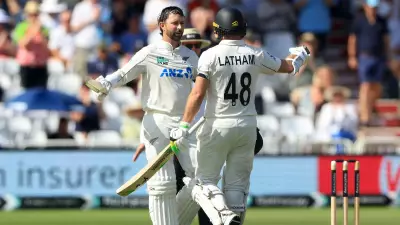
New Zealand's primary strength lies in their balanced and versatile squad. With a mix of experienced players and emerging talents, the team boasts depth in both batting and bowling departments. Their ability to adapt to different conditions, particularly in T20 formats, is a significant asset. The leadership under captains like Kane Williamson provides stability and tactical nous, often outmaneuvering opponents in high-pressure situations.
Additionally, New Zealand's fielding standards are among the best in the world, often turning matches with sharp catches and agile ground fielding. This all-round capability makes them a tough opponent on any given day.

Weaknesses: Areas Needing Attention
Despite their strengths, New Zealand faces certain weaknesses that could hinder their T20 World Cup 2026 aspirations. One notable issue is their inconsistency in power-hitting, especially in the middle overs, where they sometimes struggle to accelerate the run rate. This can put pressure on the lower order in tight chases.
Another concern is the reliance on key players for breakthroughs in bowling. While they have effective bowlers, injuries or off-days to mainstays could expose a lack of depth in the attack, making it crucial to develop backup options.
Opportunities: Pathways to Success
The T20 World Cup 2026 presents several opportunities for New Zealand to capitalize on. The tournament's format, likely featuring group stages and knockout rounds, aligns well with their methodical approach. By focusing on strategic planning and player rotation, they can manage workloads and peak at the right time.
Moreover, the rise of young talents in domestic circuits offers a chance to inject fresh energy into the squad. Investing in these players could pay dividends, enhancing their competitiveness against top teams like India, Australia, and England.
Threats: Challenges on the Horizon
New Zealand must navigate various threats to realize their dark horse potential. Intense competition from cricketing powerhouses is a major hurdle, as teams with more explosive batting line-ups or dominant bowling attacks could overpower them in crucial matches.
External factors such as scheduling and travel fatigue could also impact performance, especially if the tournament is held across multiple venues. Managing these logistical challenges will be key to maintaining consistency throughout the event.
Conclusion: New Zealand's Road to T20 World Cup 2026
In summary, New Zealand's SWOT analysis highlights a team with solid fundamentals but areas for improvement. By leveraging their strengths in balance and fielding, addressing weaknesses in power-hitting, seizing opportunities in youth development, and mitigating threats from rivals, they have a genuine shot at emerging as dark horses. Cricket enthusiasts and analysts will be watching closely as they prepare for what promises to be an exciting T20 World Cup 2026 campaign.