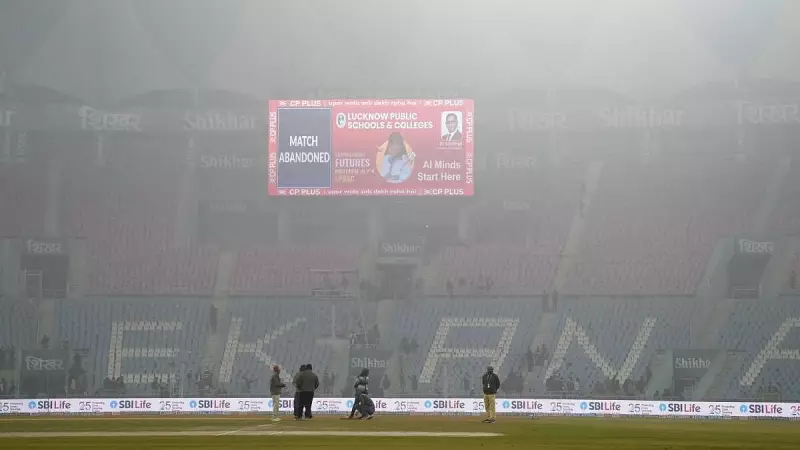
The much-anticipated T20 international between India and South Africa in Lucknow on December 18, 2025, ended in farcical circumstances, as the match was abandoned without a ball being bowled due to dense fog. The embarrassing incident has sparked widespread criticism of the Board of Control for Cricket in India (BCCI) and its persistent failure to learn from past scheduling errors.
A Preventable Farce in Lucknow
The Ekana International Cricket Stadium in Lucknow was packed with fans who had eagerly awaited the clash. However, persistent and thick fog rendered the playing conditions impossible, forcing the officials to call off the game. This was not an unforeseen natural disaster; winter fog in North India, including Uttar Pradesh, is a predictable annual weather pattern. The abandonment has been labeled a significant embarrassment for Indian cricket administration, raising serious questions about the logic behind scheduling a prime international fixture in a region known for such conditions during that time of year.
BCCI's Recurring Scheduling Blind Spot
Despite the BCCI's unparalleled success in marketing the sport and cementing cricket as India's undisputed number one passion, its approach to scheduling often appears divorced from ground realities. The board, for all its commercial expertise, refuses to learn from repeated experience. Similar incidents have occurred in the past in northern centers during the winter months, yet the calendar continues to feature high-stakes matches in venues vulnerable to fog and poor light. This latest episode in Lucknow serves as a stark wake-up call, underscoring a glaring disconnect between the board's planning and practical, on-ground challenges.

The Aftermath and Call for Change
The fallout from the abandoned match extends beyond disappointed fans. It represents a waste of resources, player preparation, and broadcaster investment. Critics argue that the BCCI must urgently incorporate detailed meteorological data and historical weather patterns into its scheduling matrix. The solution may involve a more rational geographical distribution of matches across seasons, avoiding fog-prone zones in winter. As noted by commentator Madhu Jawali, the incident is a clear indicator that the board's processes need modernization. The hope is that this very public failure will finally prompt a systematic review, ensuring the focus remains on the cricket itself, not on avoidable administrative oversights.
The abandoned match on December 18, 2025, will now be recorded as a non-event in the cricketing annals, but its legacy must be a permanent change in how India's powerful cricket board plans its international calendar.