Iran Threatens 2026 World Cup Boycott Amid Escalating US Tensions
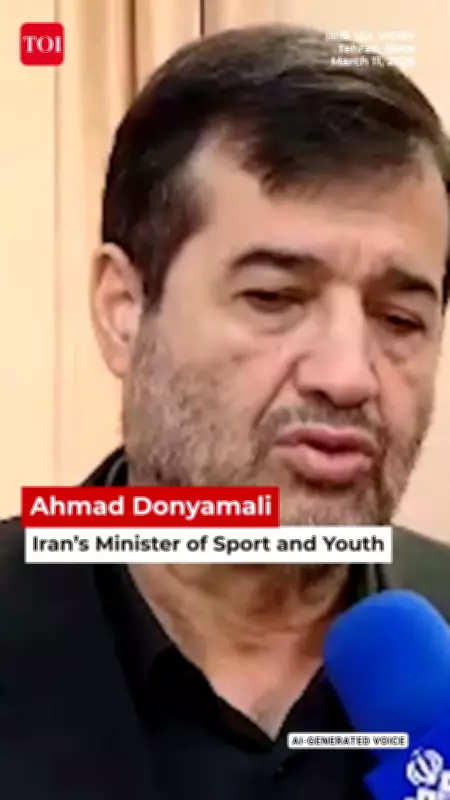
In a dramatic move that underscores the deepening geopolitical rift, Iran has issued a threat to boycott the 2026 FIFA World Cup. This announcement comes in the wake of heightened tensions with the United States, following the recent killing of a senior Iranian leader. The potential boycott raises significant questions about the intersection of international politics and global sporting events.
Background of the Tensions
The threat emerges from a backdrop of escalating hostilities between Iran and the US. The killing of the Iranian leader, which has not been officially detailed in public reports, has sparked outrage and calls for retaliation from Iranian officials. This incident is part of a broader pattern of confrontations that have strained diplomatic relations between the two nations for years.
Iran's government has framed the World Cup boycott as a symbolic protest against US policies and actions. By targeting one of the world's most-watched sporting events, Iran aims to draw international attention to its grievances and exert pressure on the global stage.

Implications for the 2026 World Cup
The 2026 FIFA World Cup, set to be hosted jointly by the United States, Canada, and Mexico, is poised to be a landmark event with expanded participation. Iran's potential boycott could have several repercussions:
- Sporting Impact: Iran's national football team has a strong following and competitive history in international tournaments. Their absence would alter the dynamics of the competition and disappoint fans worldwide.
- Political Fallout: This move highlights how geopolitical conflicts can spill over into arenas like sports, potentially setting a precedent for other nations to use boycotts as political tools.
- FIFA's Response: FIFA, as the governing body of world football, may face challenges in navigating this situation. The organization typically advocates for keeping politics out of sports, but such threats test its ability to maintain neutrality.
Global Reactions and Concerns
International observers have expressed concern over the potential boycott. Experts warn that mixing sports with high-stakes diplomacy could undermine the spirit of unity that events like the World Cup are meant to foster. There are fears that this could inspire similar actions from other countries, leading to a fragmented and politicized tournament.
Moreover, the threat comes at a time when global sports are increasingly seen as platforms for political statements. From human rights protests to environmental advocacy, athletes and nations are using these events to highlight issues, but a boycott of this scale could escalate tensions further.
Looking Ahead
As of now, Iran's threat remains a statement of intent, and it is unclear whether it will materialize into an official boycott. The situation is fluid, with diplomatic channels possibly being used to de-escalate tensions. However, if Iran follows through, it could mark a significant moment in sports history, where geopolitical strife directly impacts one of the world's premier competitions.
Stakeholders, including FIFA, host nations, and the international community, will be closely monitoring developments. The hope is for a resolution that preserves the integrity of the World Cup while addressing the underlying political issues through dialogue rather than confrontation.