Team India to Travel to Sri Lanka for T20 World Cup 2026 Group Stage
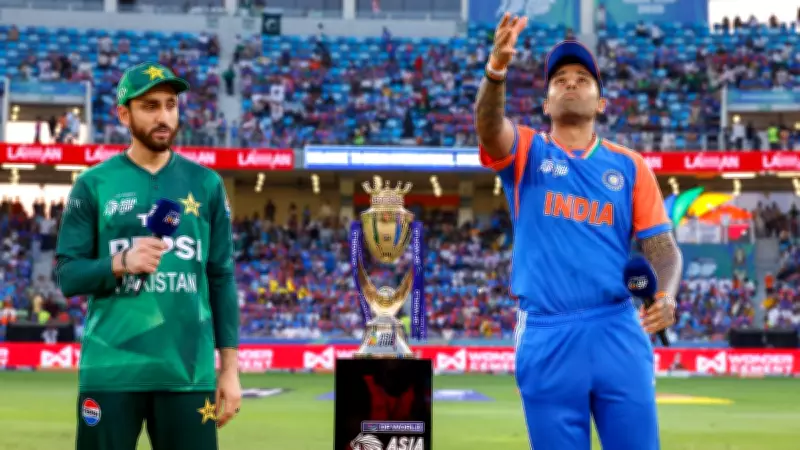
In a significant development for cricket fans, Team India is set to travel to Sri Lanka for its group stage matches in the T20 World Cup 2026, despite Pakistan's decision to boycott the highly anticipated clash between the two arch-rivals. This move has sparked discussions among cricket enthusiasts and analysts, highlighting the complexities of international cricket scheduling and geopolitical dynamics.
Pakistan's Boycott and Its Impact on the Tournament
Pakistan's boycott of the match against India in the T20 World Cup 2026 has created a unique scenario in the tournament's logistics. The decision, rooted in longstanding political tensions, means that the marquee fixture will not take place as originally planned. However, this does not alter India's travel plans to Sri Lanka, as the International Cricket Council (ICC) has structured the group stages to ensure all teams participate in designated venues regardless of individual match cancellations.
The ICC's scheduling framework mandates that teams compete in their assigned groups at specific locations, and India's group is slated to be hosted in Sri Lanka. This ensures that the tournament proceeds smoothly, with all matches adhering to a pre-determined calendar. Consequently, Team India will still need to make the trip to Sri Lanka to face other opponents in their group, such as Australia and New Zealand, which are crucial for advancing to the knockout stages.

Logistical and Strategic Considerations for Team India
Traveling to Sri Lanka presents both challenges and opportunities for Team India. On one hand, the team must adapt to the conditions in Sri Lanka, which include spin-friendly pitches and humid weather, factors that could influence team selection and gameplay strategies. On the other hand, this trip allows India to gain valuable experience in subcontinental conditions, potentially boosting their confidence ahead of later stages in the tournament.
From a logistical perspective, the Board of Control for Cricket in India (BCCI) is coordinating with Sri Lankan cricket authorities to ensure seamless arrangements for travel, accommodation, and practice sessions. This includes securing training facilities and acclimatizing players to the local environment, which is essential for peak performance. Additionally, the absence of the Pakistan match might reduce some media pressure, but it also means India must focus intensely on other group games to secure a strong position in the standings.
Broader Implications for Cricket and Future Tournaments
This situation underscores the intricate balance between sports and politics in international cricket. Pakistan's boycott highlights how geopolitical issues can spill over into athletic events, affecting fan engagement and team dynamics. For the ICC, it reinforces the need for flexible scheduling and contingency plans to handle such scenarios without disrupting the overall tournament flow.
Looking ahead, this episode may prompt discussions on how to manage high-profile matches in politically sensitive contexts. It also raises questions about the future of India-Pakistan cricketing relations, which have been sporadic due to ongoing tensions. For now, Team India's focus remains on delivering strong performances in Sri Lanka, aiming to build momentum for a successful T20 World Cup campaign in 2026.

- Team India will play group stage matches in Sri Lanka as per ICC scheduling.
- Pakistan's boycott does not change India's travel plans due to tournament logistics.
- Adapting to Sri Lankan conditions is key for India's strategic preparations.
- The BCCI is ensuring smooth logistical arrangements for the team's stay.
- This scenario reflects broader geopolitical influences on international cricket.