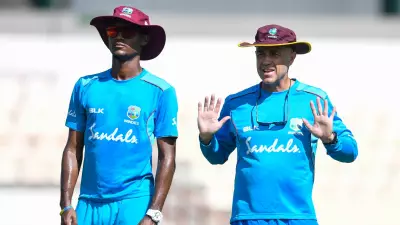
The highly anticipated T20 World Cup final between India and South Africa faces significant climate uncertainty that threatens to overshadow the cricketing spectacle. Scheduled for Saturday at Kensington Oval in Barbados, the championship match between two undefeated teams confronts the real possibility of weather disruptions that could determine the outcome of the tournament.
Weather Threats Loom Over Cricket's Biggest Stage
According to meteorological reports, Barbados faces a high probability of rainfall throughout Saturday, with forecasts predicting scattered showers and potential thunderstorms. The situation becomes particularly concerning given the ICC's tournament rules, which allocate a reserve day only for the final match. However, even this contingency plan offers limited protection against persistent bad weather conditions.
The uncertainty stems from the tournament's scheduling during the Caribbean rainy season, a decision that has drawn criticism from cricket analysts and former players. Rain interruptions could dramatically alter match dynamics, potentially reducing the contest to a truncated affair or, in the worst-case scenario, forcing the trophy to be shared between the finalists.
ICC's Contingency Plans Under Scrutiny
The International Cricket Council has established specific protocols for weather-affected matches, but these regulations provide incomplete solutions for extreme conditions. To constitute a complete match, each team must face at least 10 overs, a requirement that becomes challenging to meet with persistent rainfall.
Tournament rules specify that officials can extend playing time by up to 250 minutes to complete the match on the scheduled day. If weather prevents a result, the match moves to the reserve day, Sunday, where the game restarts rather than continuing from any partial result. This approach creates additional complications, as teams might need to reformulate strategies based on changing weather patterns.
Former cricketers and sports commentators have expressed concerns about the scheduling, noting that climate considerations should play a more significant role in planning global tournaments. The current situation highlights the growing impact of weather uncertainty on international cricket, particularly in regions with predictable seasonal patterns.
Implications for Teams and Tournament Legacy
Both India and South Africa enter the final with perfect records throughout the tournament, making the potential for weather interference particularly disappointing for players and fans. The Indian team, led by Rohit Sharma, seeks to end their ICC trophy drought, while South Africa aims for their first-ever World Cup title in any format.
The climate uncertainty introduces additional psychological pressure on both squads. Players must prepare for the possibility of multiple start-stop scenarios and adjusted tactical approaches based on reduced overs. The toss becomes increasingly crucial, as captains must consider both pitch conditions and weather forecasts when making decisions.
Cricket administrators face mounting questions about future tournament scheduling, with many experts advocating for greater emphasis on seasonal weather patterns when selecting venues and dates for global events. The current situation in Barbados serves as a stark reminder that cricket's oldest opponent—the weather—remains undefeated in its ability to influence the sport's biggest occasions.
As fans worldwide await what should be a thrilling contest between two deserving finalists, the specter of climate uncertainty casts a shadow over what could otherwise be a definitive conclusion to an exciting tournament. The coming hours will reveal whether cricket or weather emerges as the dominant force in this high-stakes encounter.