India-Pakistan World T20 Match Revived After PCB-ICC Dialogue Resumes
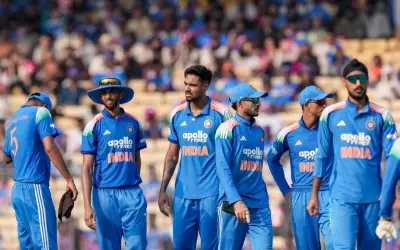
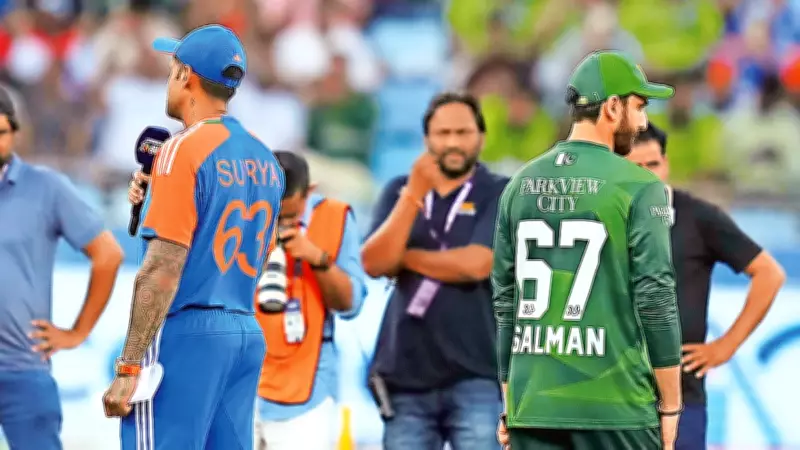
In a dramatic turn of events on the opening day of the World T20 tournament, the highly anticipated cricket clash between arch-rivals India and Pakistan is back on the table. The Pakistan Cricket Board (PCB) has approached the International Cricket Council (ICC) to initiate dialogue over their initial boycott of the February 15 game, signaling a sudden change in tone that opens the window for this high-stakes match in Colombo.
Financial Warnings Trigger PCB's Reversal
Sources close to the discussions reveal that the turnaround came after the ICC conveyed to the PCB the potential financial claims they would suffer due to invoking the Force Majeure clause. The PCB had used this clause to justify their last-minute withdrawal from the India game, citing their government's instruction as an unforeseeable circumstance. The international cricket body's detailed communication highlighted the severe consequences, including hefty fines and possible temporary bans on bilateral series, which could lead to international isolation for Pakistan.
The ICC has now committed to engaging in a structured manner to solve the problem, emphasizing dialogue over confrontation. This shift follows the Pakistan government's unprecedented intervention on Sunday, where a social media post on February 1 instructed the PCB to boycott the India game. In response, the ICC released a statement reminding the PCB of the potential repercussions, particularly the significant losses broadcasters would face from the cancellation of this high-value match.

Implications for Cricket and Global Audience
The resumption of talks between PCB and ICC not only revives hopes for the India-Pakistan World T20 clash but also underscores the delicate balance between political directives and sporting commitments. Cricket fans worldwide have been eagerly awaiting this encounter, known for its intense rivalry and massive viewership. The potential financial penalties and sanctions discussed by the ICC serve as a stark reminder of the economic stakes involved in international cricket tournaments.
As negotiations progress, all eyes will be on Colombo, where the outcome could set a precedent for how cricket bodies navigate government interventions in the future. The structured dialogue aims to ensure that the sport's integrity and commercial interests are preserved, while also addressing the geopolitical tensions that often surround India-Pakistan matches.