India-Pakistan T20 World Cup Clash Absence Threatens USD 250 Million Revenue Loss
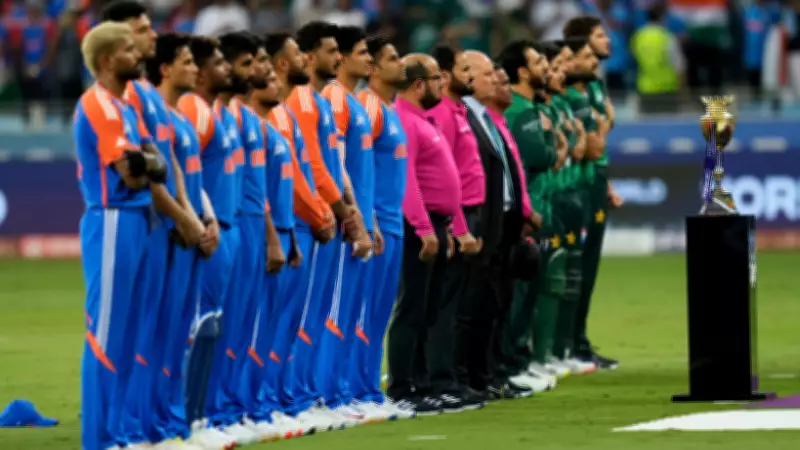
The highly anticipated cricket match between India and Pakistan in the upcoming T20 World Cup faces uncertainty, with potential financial losses estimated at a staggering USD 250 million (over Rs 2200 crore) if the fixture does not occur. This arch-rivalry, which only takes place in multi-team tournaments due to longstanding political tensions, is a major revenue driver for the International Cricket Council (ICC) and other stakeholders.
ICC's Strategic Pool Placements and Pakistan's Boycott Announcement
Recognizing the immense commercial value of India-Pakistan encounters, the ICC consistently places both teams in the same pool during world events to maximize viewership and sponsorship opportunities. However, on Sunday, the Pakistan government announced its team's boycott of the marquee clash scheduled for February 15 in Colombo, citing political reasons. This decision has sent shockwaves through the cricketing world, raising concerns about the financial repercussions.
Broadcast and Advertisement Revenue at Stake
The absence of this high-profile match could result in significant financial damage across multiple sectors:

- Broadcast Losses: The host broadcaster, JioStar, which holds India media rights, might incur advertisement revenue losses ranging from Rs 200 crore to Rs 250 crore. A 10-second commercial slot for this game can cost up to Rs 40 lakh, highlighting the premium nature of the fixture.
- ICC Coffers: The ICC could face substantial revenue shortfalls, potentially affecting its global operations and future tournament planning.
- Stakeholder Impact: Other stakeholders, including sponsors and advertisers, would also experience reduced exposure and returns.
Expert Insights and Historical Context
Sami-ul-Hasan Burney, a former communications head for both the ICC and PCB, emphasized the financial magnitude of a single India-Pakistan match. "As regards the sanctions or the losses, as I said, the one match is costing USD 250 million (everything accounted for not just broadcaster’s loss). Pakistan’s annual revenue is USD 35.5 million, so there is a big, big difference," he explained to PTI. This perspective underscores how a single game's revenue dwarfs Pakistan's annual cricket earnings.
Additionally, The Sydney Morning Herald quoted industry sources familiar with confidential negotiations, confirming that each India-Pakistan game holds an estimated value of around USD 250 million, attracting a global audience of over a billion viewers.
ICC's Response and Sporting Integrity Concerns
In response to Pakistan's selective participation, the ICC issued a statement emphasizing the importance of sporting integrity. "This position of selective participation is difficult to reconcile with the fundamental premise of a global sporting event where all qualified teams are expected to compete on equal terms per the event schedule," the ICC stated. It further added, "ICC tournaments are built on sporting integrity, competitiveness, consistency and fairness, and selective participation undermines the spirit and sanctity of the competitions."
Background and Future Implications
The current situation stems from broader geopolitical tensions, including incidents like the removal of Bangladesh pacer Mustafizur Rahman from the IPL on BCCI instructions, which led to Pakistan's withdrawal from the ICC event co-hosted by India and Sri Lanka. Despite this, Pakistan has proceeded to Colombo for other matches in the tournament starting February 7.
Looking ahead, the ICC, PCB, and BCCI had previously agreed to a hybrid model for India-Pakistan games until 2027. Pakistan's selective pullout could complicate this arrangement and set a precedent for future tournaments. If Pakistan remains adamant, they risk not only financial penalties from the ICC but also long-term damage to their cricketing reputation and revenue streams.

In conclusion, the potential absence of an India-Pakistan clash in the T20 World Cup represents more than just a missed sporting event; it is a significant financial blow that could reshape the economics of international cricket. Stakeholders are closely monitoring developments, hoping for a resolution that preserves both the spirit of the game and its commercial viability.