ICC Delivers Strong Warning to Pakistan Over T20 World Cup 2026 Boycott Threat
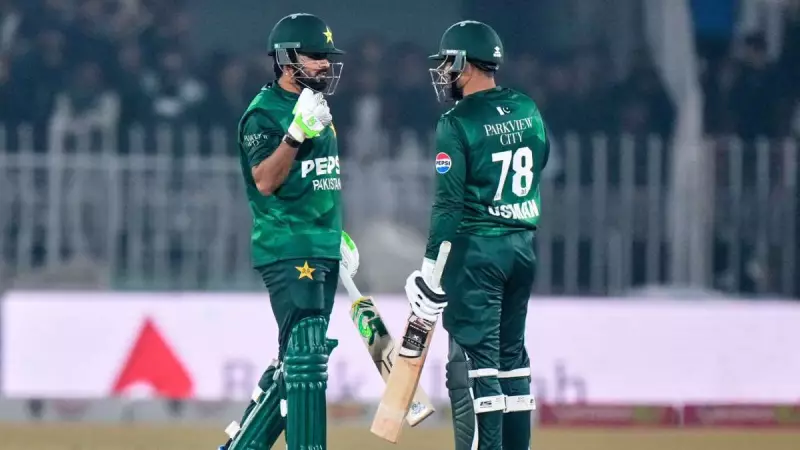
The International Cricket Council (ICC) has reportedly issued a stern warning to the Pakistan Cricket Board (PCB) regarding potential severe consequences if Pakistan proceeds with a boycott of the T20 World Cup 2026. This development comes amid escalating tensions and diplomatic challenges within the global cricket community.
Escalating Tensions in Cricket Diplomacy
According to recent reports, the ICC has communicated directly with Pakistani cricket authorities, emphasizing that any decision to boycott the prestigious T20 World Cup tournament in 2026 would result in significant repercussions. The warning reportedly outlines potential sanctions that could impact Pakistan's participation in future international cricket events and their standing within the ICC governance structure.
The situation has created a complex conundrum for Pakistani cricket officials, who must balance national interests with their obligations to the global cricket fraternity. This warning follows months of speculation and behind-the-scenes discussions about Pakistan's potential stance toward the 2026 tournament.

Potential Consequences for Pakistani Cricket
The ICC's warning reportedly includes several potential measures:
- Financial penalties that could affect PCB's revenue streams from ICC distributions
- Possible restrictions on Pakistan's hosting rights for future international tournaments
- Impact on Pakistan's ranking and participation in ICC events beyond 2026
- Potential review of Pakistan's voting rights within ICC committees
These potential repercussions highlight the seriousness with which the ICC views any threat to the integrity and completeness of their flagship T20 tournament. The 2026 World Cup represents a significant milestone in the cricket calendar, and the ICC appears determined to ensure full participation from all member nations.
Broader Implications for International Cricket
This development comes at a sensitive time for international cricket relations. The sport has increasingly become intertwined with geopolitical considerations, and the ICC's firm stance reflects their commitment to maintaining cricket as a unifying global sport. The warning to Pakistan serves as a precedent for how the governing body might handle similar situations with other member nations in the future.
Cricket analysts suggest that this situation could have ripple effects throughout the cricketing world, potentially influencing how nations approach tournament participation decisions and how the ICC enforces its regulations. The coming months will likely see intensified diplomatic efforts to resolve the situation before it escalates further.
The Pakistan Cricket Board has not issued an official response to the reported warning at this time, leaving the cricket community awaiting their next move in this developing diplomatic standoff.