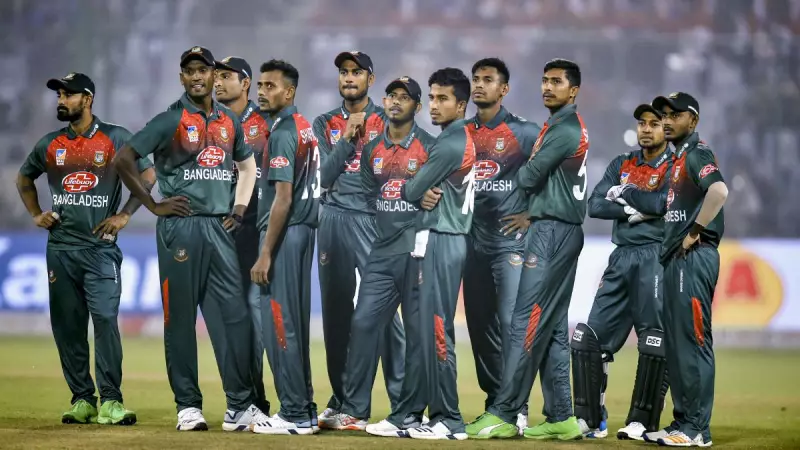
ICC Denies Accreditation to Bangladesh Media for T20 World Cup 2026 in India
The International Cricket Council (ICC) has made a controversial decision by rejecting accreditation applications from Bangladesh media outlets for the upcoming T20 World Cup 2026, which is scheduled to be hosted in India. This move has left numerous journalists and media personnel from Bangladesh in a state of uncertainty, as they now face significant hurdles in covering one of cricket's premier global events.
Unspecified Reasons Behind the Accreditation Rejection
According to reports, the ICC has not provided detailed explanations for the denial of accreditation to Bangladesh media representatives. The council has reportedly kept the media applications on hold after the initial rejection, without clarifying the specific grounds or criteria that led to this decision. This lack of transparency has raised questions about the fairness and consistency of the ICC's accreditation process for international tournaments.
The T20 World Cup 2026 is set to be a major sporting spectacle in India, and media coverage is crucial for global fan engagement. The exclusion of Bangladesh media could impact the dissemination of news and updates to cricket enthusiasts in Bangladesh, a nation with a passionate following for the sport. This situation underscores the importance of clear communication and equitable treatment in sports governance.

Potential Implications for Media and Diplomatic Relations
The ICC's decision to bar Bangladesh media from accreditation has sparked concerns beyond the realm of sports journalism. It may strain diplomatic and cultural ties between India and Bangladesh, two neighboring countries with a shared history in cricket. Media professionals from Bangladesh have expressed disappointment, highlighting how such exclusions can hinder cross-border collaboration and mutual understanding in the sporting community.
This incident also brings attention to the broader issue of media access in international cricket events. Ensuring that journalists from all participating nations have fair opportunities to report is essential for promoting inclusivity and diversity in sports coverage. The ICC's handling of this matter could set a precedent for future tournaments, influencing how media accreditation is managed globally.
Looking Ahead: Possible Resolutions and Reactions
As the situation unfolds, stakeholders are calling for the ICC to review its decision and provide a more transparent rationale. There is hope that through dialogue and negotiation, a resolution can be reached to accommodate Bangladesh media, perhaps by reconsidering the accreditation applications or offering alternative arrangements for coverage. The cricketing world will be watching closely to see how this issue is addressed, as it reflects on the values of fairness and unity that cricket aims to uphold.
In summary, the ICC's rejection of Bangladesh media accreditation for the T20 World Cup 2026 in India has created a significant controversy, with implications for media freedom, international relations, and the spirit of cricket. It serves as a reminder of the need for clear policies and inclusive practices in organizing major sporting events.