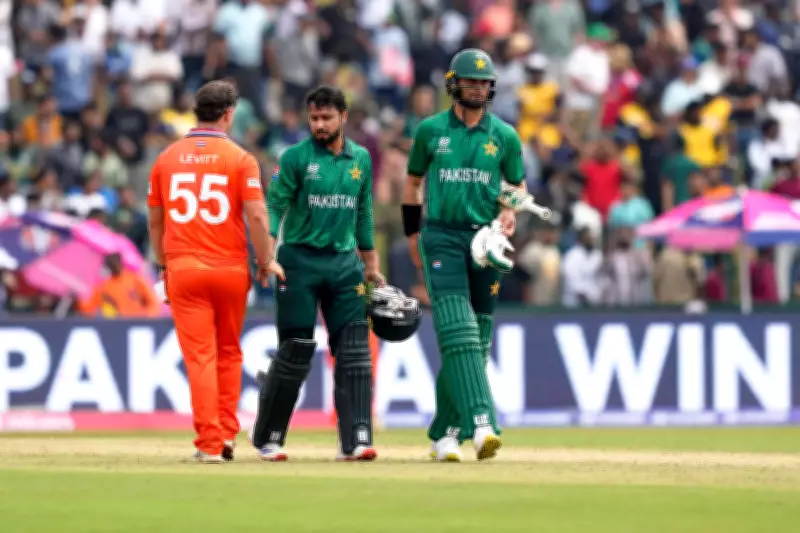
ICC and PCB Engage in Crucial Dialogue Over T20 World Cup Boycott Threat
The International Cricket Council (ICC) and Pakistan Cricket Board (PCB) have officially commenced dialogue following the Pakistan government's controversial directive to boycott the upcoming T20 World Cup fixture against arch-rivals India. The high-stakes match is scheduled for February 15 in Colombo, with just eight days remaining until the marquee clash.
Force Majeure Invoked Without Full Explanation
Sources close to the developments confirm that the PCB has formally invoked Force Majeure in response to their government's instruction to withdraw from the group stage encounter. The cricket board cited the government directive as the primary reason for their potential non-participation, though notably failed to provide additional justification or detailed explanation for this unprecedented move.
"Yes, the PCB has invoked Force Majeure but didn't give any further explanation or details," revealed a source tracking the sensitive negotiations. "The ICC in response has asked the Pakistan board to demonstrate what it had done to mitigate the Force Majeure situation."

ICC Demands Evidence and Highlights Consequences
The global cricket governing body has responded with a detailed communication outlining the specific conditions under which Force Majeure can be legitimately invoked. The ICC has emphasized the need for a substantial evidentiary threshold that must be met before any team can withdraw from scheduled tournament fixtures.
Furthermore, the ICC has highlighted the significant sporting, commercial, and governance implications that would result from Pakistan's non-participation. The potential ripple effects could impact not only the tournament's integrity but also future cricketing relations between the two nations and the broader international cricket community.
Captains Express Divergent Views
While official statements remain limited, team captains have offered contrasting perspectives on the developing situation. Pakistan captain Salman Agha maintained a diplomatic stance during the captains' conference, stating: "The India game, it's not in our control. It's a government decision, and we respect that. Whatever they are going to say, we do that."
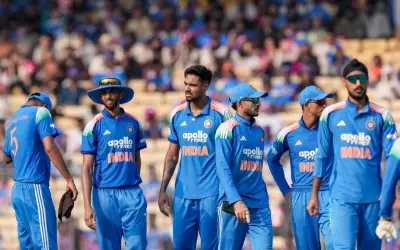
In contrast, Indian captain Suryakumar Yadav presented a more definitive position during Thursday's media briefing in Mumbai. "Mindset is pretty clear," Yadav asserted. "We did not refuse to play them. The refusal came from them. ICC organised the fixture. BCCI and the Indian government decided to play at a neutral venue in coordination with ICC. Our flight to Colombo is booked. So we are going. We'll see what happens later."
Tournament Context and Historical Background
The 2026 edition of the T20 World Cup officially commenced today with matches in both Colombo and Mumbai, yet the cloud of uncertainty surrounding the India-Pakistan fixture continues to loom large. The controversy originated from a social media post by the Pakistan government, followed by subsequent comments from Prime Minister Shehbaz Sharif, creating an atmosphere of diplomatic tension around what is traditionally cricket's most anticipated rivalry.
The PCB has maintained radio silence regarding any public statement on the matter, though internal sources confirm the board's intention to follow governmental advice regardless of the sporting consequences.
Path Forward: Engagement Over Confrontation
The ICC has adopted a strategy of engagement rather than confrontation in addressing this sensitive geopolitical matter. Cricket's global body has kept communication channels open with the PCB, with all efforts directed toward exploring possible resolutions that would preserve the tournament's integrity while respecting the complex political dynamics at play.
With the clock ticking toward the scheduled February 15 encounter, the next few days are expected to provide crucial clarity regarding the fate of this high-profile match. Both cricket boards remain engaged in dialogue, though the ultimate decision may rest with political authorities rather than sporting bodies.

The situation represents one of the most significant diplomatic challenges in modern cricket history, testing the boundaries between sport and international relations while potentially setting precedents for how similar situations might be handled in future global tournaments.