ICC Contemplates Strict Action Against Bangladesh Over T20 World Cup 2026 Boycott Threat
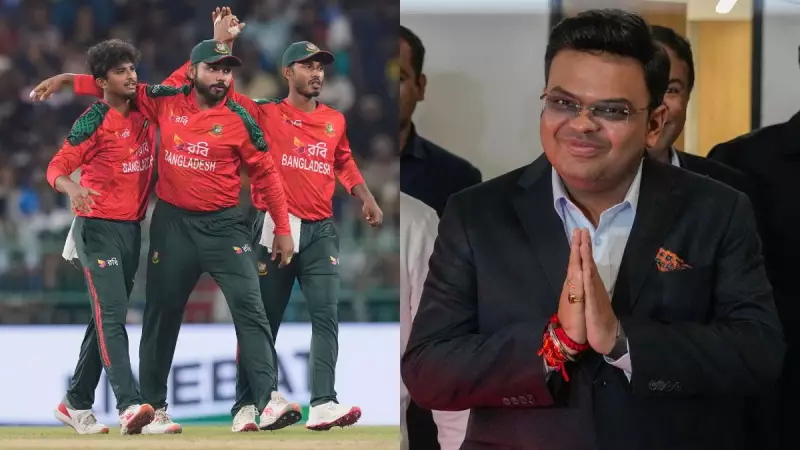
The International Cricket Council (ICC) is reportedly considering strict disciplinary measures against the Bangladesh Cricket Board (BCB) following its threat to boycott the upcoming T20 World Cup 2026. This development has sent shockwaves through the cricketing community, raising concerns about potential disruptions to one of the sport's premier global tournaments.
Background of the Scheduling Dispute
The controversy stems from a significant scheduling conflict that has emerged between the BCB and the ICC. Bangladesh has expressed strong objections to the proposed dates for the T20 World Cup 2026, which they claim clash with important domestic commitments and player welfare considerations. The BCB has argued that the current schedule does not provide adequate preparation time for their national team and could lead to player burnout.
In response to these concerns, the BCB has taken the drastic step of threatening to withdraw from the tournament altogether if their demands for a revised schedule are not met. This move has been viewed as unprecedented in modern cricket diplomacy and has prompted the ICC to review its options for addressing such challenges.

Potential Consequences for Bangladesh Cricket
The ICC is now weighing several possible actions against Bangladesh, which could include:
- Financial penalties or fines imposed on the Bangladesh Cricket Board.
- Suspension of membership privileges within the ICC council.
- Points deductions in future ICC tournaments affecting Bangladesh's ranking.
- Restrictions on hosting rights for international matches or events.
These measures are being considered as the ICC seeks to maintain the integrity and smooth functioning of its global cricket calendar. The governing body emphasizes that all member nations must adhere to agreed-upon schedules and protocols to ensure the successful organization of international tournaments.
Broader Implications for International Cricket
This standoff between Bangladesh and the ICC highlights growing tensions in international cricket scheduling. As the sport expands globally with more tournaments and leagues, conflicts between national boards and the international governing body are becoming increasingly common. The outcome of this dispute could set an important precedent for how similar issues are handled in the future.
Cricket analysts suggest that the situation underscores the need for better communication and negotiation mechanisms between the ICC and its member boards. Many are calling for more flexible scheduling approaches that can accommodate the diverse needs of different cricket-playing nations while maintaining the overall structure of the international calendar.
The T20 World Cup 2026 is scheduled to be a major event in the cricketing world, featuring teams from across the globe competing for the prestigious trophy. Any disruption to Bangladesh's participation would not only affect the tournament's competitive balance but could also have significant financial implications for broadcasters, sponsors, and host nations.
As discussions continue behind closed doors, the cricketing world watches closely to see whether a compromise can be reached or if the ICC will indeed implement strict action against Bangladesh. The resolution of this conflict will likely influence international cricket relations for years to come.