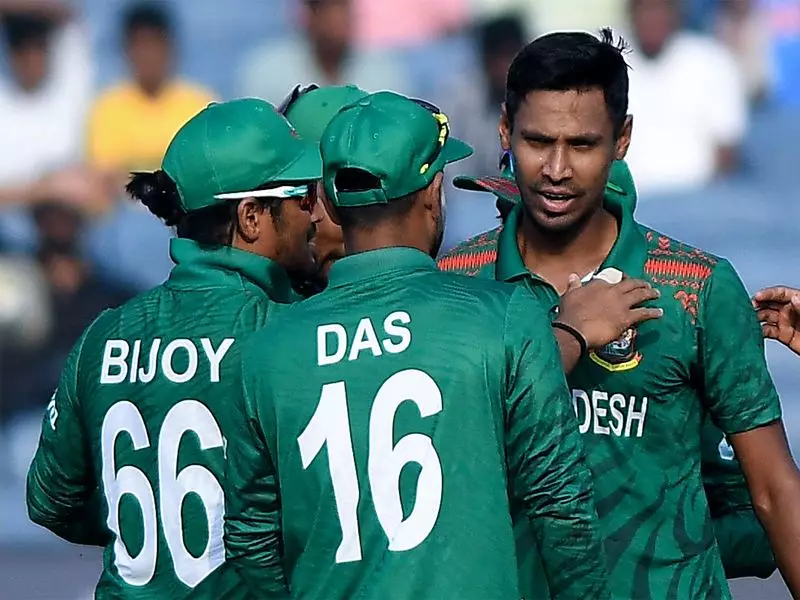
The International Cricket Council (ICC) has entered into crucial discussions with the Bangladesh Cricket Board (BCB). This follows Bangladesh's firm refusal to play their scheduled matches in India during the upcoming T20 World Cup. The development adds a significant layer of complexity to the tournament's planning.
The Core of the Dispute: Venue and Security Concerns
According to reports, the Bangladesh Cricket Board has expressed strong reservations about playing their group-stage matches on Indian soil. While the specific venues were not detailed in the initial report, the BCB's stance is clear. They are unwilling to travel to India for their part of the tournament.
This refusal has prompted immediate action from cricket's global governing body. The ICC is now actively engaged in talks with BCB officials to resolve the impasse. The primary goal is to find a workable solution that satisfies all parties involved and ensures the smooth execution of the World Cup schedule.

Potential Ramifications and Tournament Logistics
The Bangladesh team's potential boycott of matches in India presents a major logistical headache. The T20 World Cup is a meticulously planned global event with a fixed schedule and venues. A last-minute change involving an entire national team's location could disrupt travel, broadcasting, and security arrangements for multiple matches.
While the BCB's exact reasons for the refusal were not fully elaborated, such decisions often stem from a combination of factors. These can include:
- Perceived security assessments and travel advisories.
- Historical tensions or specific geopolitical concerns.
- Logistical preferences or prior commitments.
The ICC, for its part, must balance the concerns of a member board with the overarching integrity and feasibility of its flagship tournament. Finding a middle ground is essential to avoid setting a problematic precedent.
Looking Ahead: Negotiations and Possible Outcomes
The ongoing dialogue between the ICC and the BCB will be critical in the coming days. Several outcomes are possible. The ICC could persuade Bangladesh to reconsider its stance, possibly with additional assurances or compromises. Alternatively, the tournament schedule might require adjustment, potentially moving Bangladesh's matches to a neutral venue acceptable to both boards.
This situation underscores the intricate political and diplomatic dimensions of international sports administration. It is not merely about cricket but involves complex negotiations between national boards and a global institution. The resolution will be closely watched by fans and administrators alike, as it could influence future tournament planning and bilateral cricket relations.
For now, the cricket world awaits the outcome of these high-stakes talks. The hope is for a swift and amicable resolution that allows players and fans to focus on the sport itself during the much-anticipated T20 World Cup.