Nasser Hussain Demands Equal Treatment for Asian Cricket Giants from ICC
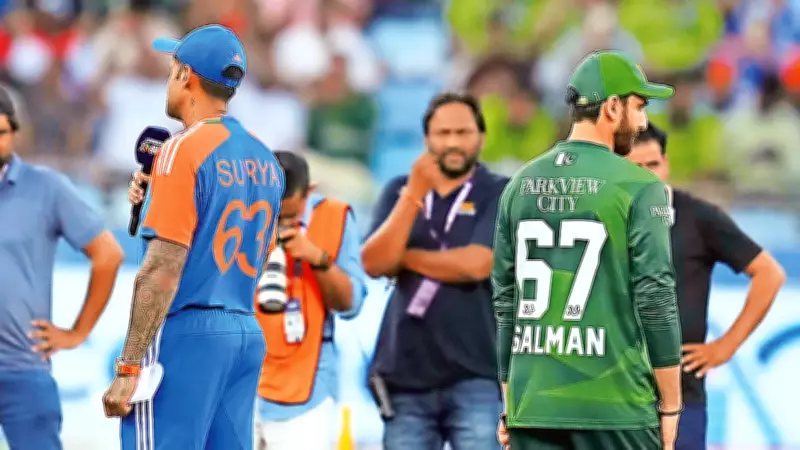
Former England cricket captain Nasser Hussain has launched a scathing critique of the International Cricket Council (ICC), accusing the governing body of inconsistent and preferential treatment towards certain cricket boards, particularly India. His comments come amid escalating tensions surrounding Bangladesh's refusal to travel to India for the upcoming T20 World Cup and Pakistan's subsequent boycott of their group stage match against India.
The Context: A Brewing Storm in Asian Cricket
The controversy stems from a series of interconnected events that have rocked the cricketing world. The Bangladesh Cricket Board (BCB) made the dramatic decision to withdraw its team from the T20 World Cup in India, citing unresolved security concerns. This decision followed an incident where the Board of Control for Cricket in India (BCCI) reportedly pressured the Kolkata Knight Riders franchise to release a Bangladeshi player from their Indian Premier League roster.
In response to Bangladesh's withdrawal, the ICC took the firm step of excluding the Bangladeshi team from the tournament. Shortly thereafter, the Pakistan government announced that while its team would participate in the World Cup, it would boycott the highly anticipated match against India. This move prompted the ICC to formally request the Pakistan Cricket Board (PCB) to reconsider its stance, creating a complex diplomatic and sporting impasse.

Hussain's Core Argument: A Plea for Consistency and Fairness
Speaking candidly on the Sky Sports Podcast alongside fellow commentator Michael Atherton, Hussain articulated his frustration with what he perceives as double standards in the ICC's governance. "The only question all sides ask for is consistency," Hussain emphasized. "Bangladesh, Pakistan, and India must be treated the same."
He posed a provocative hypothetical scenario to illustrate his point: "If India, a month before a tournament, said 'our government does not want us to play in a country for a World Cup', would the ICC have been so firm and said, 'You know the rules, bad luck, we're knocking you out?'" This rhetorical question underscores his belief that the ICC's response might differ based on the economic and political clout of the board involved.
Hussain acknowledged the financial dominance of Indian cricket, noting that some fans might dismiss concerns with remarks like "Cry more, we have the money!" However, he countered this by stating, "But with power comes responsibility." He warned that consistently marginalizing boards like Bangladesh or Pakistan ultimately harms the sport's competitive balance and global appeal.
The Sporting Consequences: Diminishing Rivalries and One-Sided Contests
The former captain expressed concern that the current political and administrative friction is eroding the quality of historic cricketing rivalries. "Constantly knocking Bangladesh or Pakistan diminishes their cricket," he argued. "That's why the great games between India and Pakistan or India and Bangladesh have become one-sided over time."
He pointed to the potential long-term damage to the sport's ecosystem, where iconic contests lose their competitive edge, reducing fan engagement and the overall spectacle of international cricket.
Praise for Resilience and a Call to Prioritize Cricket
Despite the criticism, Hussain offered commendation for the resilience shown by the affected boards. "I'm amazed at how well Pakistan have done and continue to do with everything that they are working against," he stated, acknowledging the challenges faced by Pakistani cricket.
He also expressed admiration for Bangladesh's firm stance, saying, "And I actually quite like Bangladesh sticking to their guns, standing up for their players. I quite like Pakistan sticking up for Bangladesh as well." This solidarity, in his view, highlights the need for boards to protect their interests and players' welfare.

Concluding with a poignant appeal, Hussain urged the cricketing community to refocus on the essence of the sport: "At some stage, someone should say, enough with this politics, can we just get back to playing cricket." He cautioned that the ongoing administrative conflicts are "risking shooting itself in the foot," potentially undermining cricket's growth and popularity on the world stage.
As the T20 World Cup approaches, Hussain's remarks add a significant voice to the debate over governance, equity, and the future of international cricket, particularly in the sport's powerhouse region of South Asia.