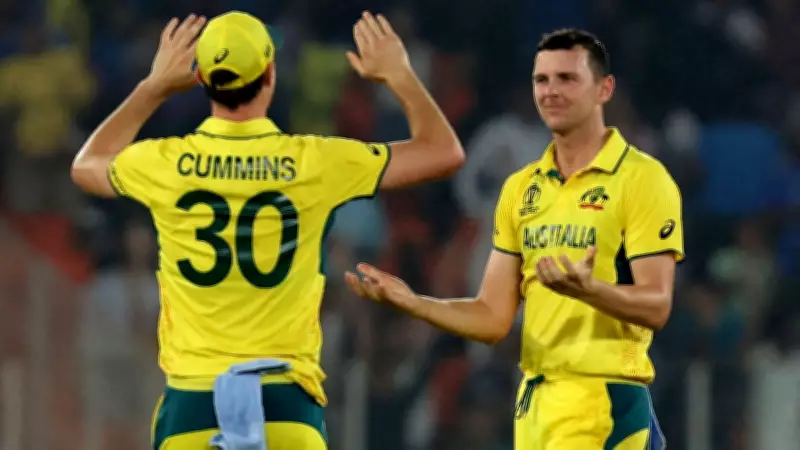
Australia's T20 World Cup 2026 Campaign Suffers Major Blow with Hazlewood Injury
In a significant setback for the Australian cricket team, fast bowler Josh Hazlewood has been ruled out of the T20 World Cup 2026, just days before their campaign opener against Ireland. This news follows the earlier confirmation that captain Pat Cummins will also miss the tournament due to an ongoing back injury, leaving Australia without two of their key frontline pacers for the global event.
Injury Details and Timeline
Hazlewood initially suffered a hamstring injury during a Sheffield Shield match in November, which was compounded by an ACL issue that has delayed his recovery. Cricket Australia selector Todd Dodemaide revealed that while they had hoped Hazlewood would regain match fitness by the Super Eights stage, recent assessments indicate he remains "some time away" from being ready.
"Trying to accelerate his program will carry too much of a risk," Dodemaide told cricket.com.au, emphasizing the cautious approach being taken with the star bowler's rehabilitation.

Australia's Bowling Resources Depleted
With both Hazlewood and Cummins unavailable, Australia will enter the T20 World Cup 2026 with limited fast bowling options. Currently, only Ben Dwarshuis and Xavier Bartlett are confirmed as fit pacers in the squad, creating significant challenges for team balance and strategy.
The situation has prompted selectors to consider reinforcements, with Sean Abbott emerging as the likely candidate to be drafted into the squad. Abbott's experience in T20 cricket and recent domestic performances make him a logical choice to bolster Australia's bowling attack.
Tournament Context and Schedule
Australia's first match of the T20 World Cup 2026 is scheduled for February 11 against Ireland, giving the team limited time to adjust their plans and integrate any new players. The absence of two senior bowlers could impact Australia's chances in what promises to be a highly competitive tournament.
This development adds to the growing list of injury concerns affecting international cricket teams ahead of major events, highlighting the physical demands of the modern cricket calendar. Australia will need to rely on their remaining bowling resources and strategic flexibility as they navigate the early stages of the competition without two of their most experienced campaigners.