In a powerful moment that resonated across the cricketing world, Indian women's cricket team captain Harmanpreet Kaur delivered a stunning rebuttal to the traditional "gentlemen's game" narrative following her team's spectacular World Cup victory.
The Game-Changing Statement
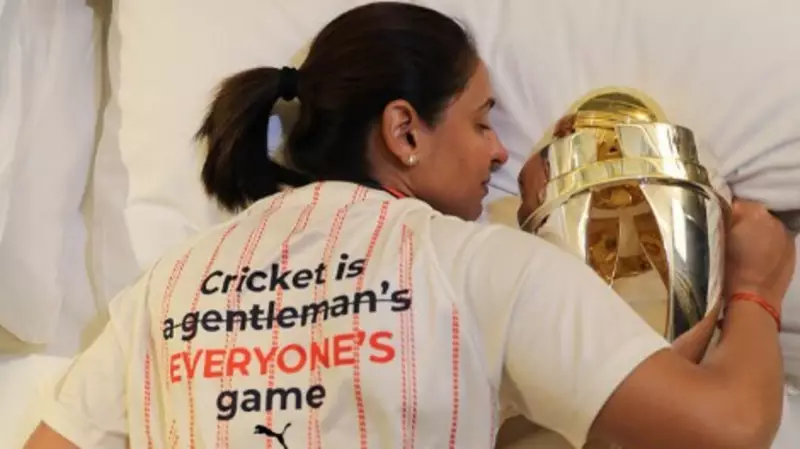
During the post-match celebrations, Kaur made a sartorial choice that spoke volumes. Dressed in her team blazer, she declared, "Cricket is everyone's game" - a direct challenge to the outdated notion that cricket primarily belongs to men.
This wasn't just a casual remark; it was a calculated statement from a leader who has witnessed the evolution of women's cricket firsthand. Kaur's words carried the weight of years of struggle for recognition, equal pay, and proper infrastructure in women's cricket.

Breaking Centuries-Old Stereotypes
The term "gentlemen's game" has been synonymous with cricket since its inception, reflecting the sport's historical roots in elite male circles. Kaur's statement, coming on the back of a world championship win, served as a powerful reminder that the sport has evolved far beyond its traditional boundaries.
"We've worked just as hard, trained just as intensely, and sacrificed just as much as any male cricketer," Kaur emphasized, her words echoing the sentiments of female athletes worldwide.
The Impact Beyond the Boundary
This landmark moment comes at a crucial time for women's sports globally. The Indian captain's stance highlights several key developments:
- The growing commercial viability of women's cricket
- Increasing viewership and fan engagement
- Policy changes promoting gender equality in sports
- The inspirational effect on young girls aspiring to play cricket
A New Era for Cricket
Kaur's statement isn't just about challenging terminology; it's about claiming space in a sport that has historically marginalized women participants. The World Cup victory, combined with this powerful messaging, marks a significant milestone in the journey toward making cricket truly inclusive.
The message is clear: cricket isn't defined by gender; it's defined by passion, skill, and dedication. And as Harmanpreet Kaur demonstrated, the women of cricket have these qualities in abundance.
This moment will likely be remembered as a turning point - when women's cricket firmly established that it's not an alternative to men's cricket, but an equal and integral part of the sport's ecosystem.