Israel Retaliates with Strikes on Beirut's Southern Suburbs
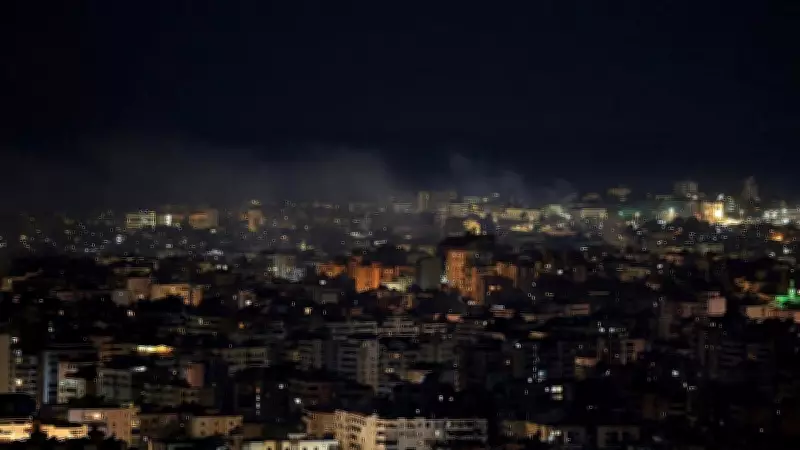
In a significant escalation of hostilities, Israel conducted airstrikes targeting the southern suburbs of Beirut, the capital of Lebanon, on March 2, 2026. This military action came in direct response to missile launches by Hezbollah, the Iran-backed militant group that holds strong influence in the region.
Explosions Heard in Hezbollah Stronghold
Residents reported hearing loud explosions in the densely populated southern suburbs of Beirut, an area widely recognized as a Hezbollah stronghold. The strikes occurred in the early hours, around 03:00 IST, following earlier missile activity from Hezbollah forces. This development marks a notable expansion of the conflict, as Israeli operations have now reached the outskirts of Lebanon's capital city.
The timing of these events is critical, with the initial missile launch by Hezbollah taking place just before 02:05 IST, and Israel's retaliatory strikes following shortly after. This rapid sequence of actions underscores the volatile nature of the situation and the potential for further escalation in the coming days.

Regional Tensions Intensify
The conflict between Israel and Hezbollah has deep roots in the broader geopolitical landscape of the Middle East. Hezbollah, which is supported by Iran, has long been a key player in regional proxy wars, and its missile capabilities pose a persistent threat to Israeli security. Israel's decision to strike Beirut's suburbs signals a firm response to what it perceives as direct aggression from the militant organization.
This incident highlights the fragile state of affairs in the region, where even localized skirmishes can quickly spiral into larger confrontations. The involvement of Beirut, a major urban center, adds a new dimension to the conflict, raising concerns about civilian safety and infrastructure damage.
Implications for International Relations
The strikes in Beirut are likely to draw international attention and could impact diplomatic efforts in the Middle East. Key stakeholders, including the United Nations and various global powers, may be compelled to intervene or call for de-escalation to prevent a wider war. The situation remains fluid, with both sides maintaining a high state of alert.
As of now, there are no confirmed reports on casualties or the extent of damage from the strikes. However, the escalation serves as a stark reminder of the ongoing tensions that define the Israel-Hezbollah dynamic. Observers are closely monitoring developments, as further military actions could have significant repercussions for regional stability.