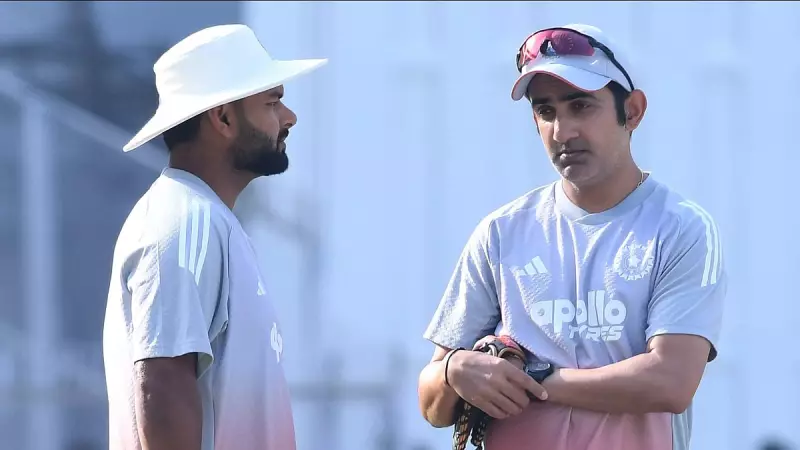
Indian cricket finds itself at a crucial crossroads as head coach Gautam Gambhir addresses what he describes as an unprecedented transitional phase in the national team. According to Gambhir, both the batting lineup and spin bowling department are undergoing significant changes simultaneously - a situation he claims has never occurred before in Indian cricket history.
The Dual Transition Challenge
Gautam Gambhir emphasized the unique nature of India's current cricket scenario during recent discussions about the team's future direction. The former opening batsman turned coach pointed out that while Indian cricket has experienced transitional periods in the past, this marks the first instance where both critical departments - batting and spin bowling - are evolving at the same time.
This dual transition presents particular challenges for the Test team, where experience in both departments has traditionally been India's strength. The spin bowling unit, long dominated by established stars, now faces the task of blooding new talent while maintaining competitive performance at the international level.
Batting Department Evolution
The Indian batting lineup, known for its depth and quality over decades, is currently navigating through generational changes. With several established players approaching the latter stages of their careers, the team management faces the delicate task of integrating new talent while preserving the team's competitive edge.
Gambhir's comments come at a time when Indian cricket enthusiasts and experts alike are debating the team's composition and future prospects. The timing of these transitions raises important questions about team strategy and player development as India prepares for upcoming international commitments.
Coaching Philosophy and Future Outlook
As the man steering the ship through these turbulent waters, Gambhir's approach to managing this dual transition will be closely watched. His acknowledgment of the situation's uniqueness suggests he's fully aware of the challenges ahead. The coaching staff must balance short-term results with long-term development goals, a task that requires careful planning and execution.
The situation raises legitimate questions about whether Gambhir possesses the right coaching philosophy and tactical approach to guide Indian cricket through this complex phase. His handling of young talent, team selection decisions, and match strategies will ultimately determine his success in navigating this unprecedented transition.
With these developments unfolding, Indian cricket fans and analysts will be monitoring the team's performance closely, particularly in the traditional Test format where consistency and experience traditionally play crucial roles. The coming months will reveal whether Gambhir's leadership can successfully shepherd Indian cricket through this challenging period of simultaneous transition in both batting and spin bowling departments.