US Orders Diplomatic Staff Evacuation from Pakistan and Other Nations Citing Safety Concerns
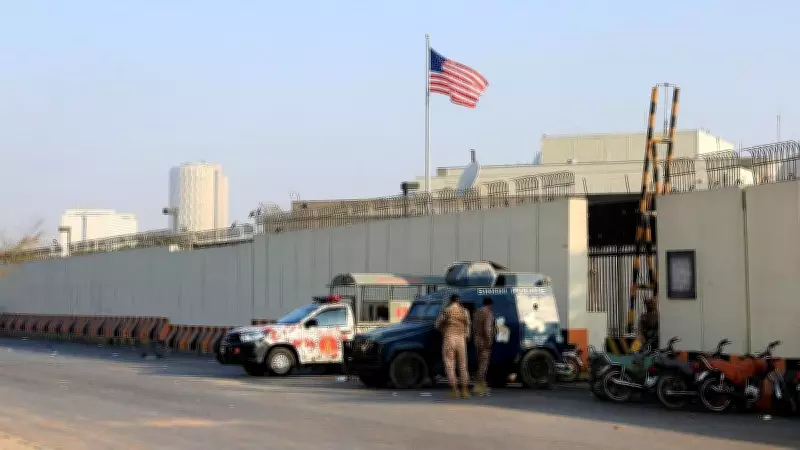
In a significant diplomatic move reflecting escalating regional tensions, the United States has mandated the departure of non-emergency consular staff from its missions in Karachi and Lahore, Pakistan. This directive, issued on March 4, 2026, comes as a direct response to heightened safety risks, with the State Department citing concerns over potential threats in the wake of recent geopolitical developments involving Iran.
Voluntary Departures Authorized for Missions in Saudi Arabia, Oman, and Cyprus
Simultaneously, the US government has granted permission for non-essential personnel to voluntarily leave diplomatic posts in Saudi Arabia, Oman, and Cyprus. This expanded advisory underscores the broadening scope of security apprehensions across the Middle East and surrounding regions. The decision to allow voluntary departures from these countries indicates a proactive approach to safeguarding American diplomatic personnel while maintaining essential consular services.
Background: Escalating Tensions with Iran Prompt Precautionary Measures
The evacuation orders follow a period of increased friction between the United States and Iran, with recent retaliatory actions by Iran contributing to a volatile security environment. Analysts suggest that these moves are precautionary, aimed at mitigating risks to US personnel in areas perceived as potential flashpoints. The specific concerns prompting the evacuations have not been detailed publicly, but they are believed to relate to intelligence indicating possible threats against American interests.
Impact on Consular Services: While non-emergency staff are being withdrawn, US embassies and consulates in the affected countries will continue to operate with reduced personnel, focusing on emergency services for American citizens. Travel advisories for these regions are expected to be updated, urging increased caution for US nationals.
Regional Implications and Diplomatic Fallout
This development highlights the delicate state of US-Iran relations and its ripple effects across allied nations in the Middle East and South Asia. The inclusion of Pakistan, Saudi Arabia, Oman, and Cyprus in the evacuation plans points to a widespread assessment of risk, potentially influencing regional diplomacy and security cooperation. Experts warn that such measures could strain bilateral ties if perceived as an overreaction, but US officials emphasize that the safety of personnel is paramount.
Global Response: The international community is closely monitoring the situation, with allies likely to review their own security postures in the region. This incident underscores the ongoing challenges in maintaining diplomatic presence in unstable areas, balancing operational needs with personnel safety.