Former BCCI President IS Bindra Passes Away at 84, Jay Shah Leads Tributes
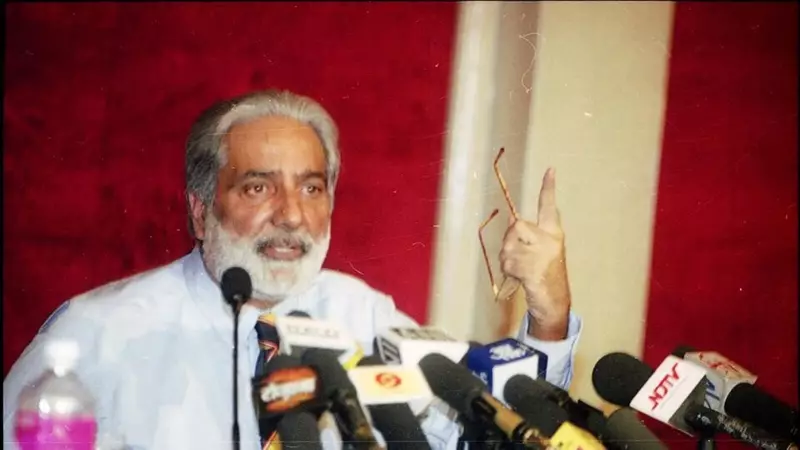
In a somber development for the cricketing world, former Board of Control for Cricket in India (BCCI) president Inderjit Singh Bindra has passed away at the age of 84. The news of his demise on Sunday has sent waves of grief through the sports community, with ICC chairman Jay Shah leading the outpouring of condolences for the veteran administrator.
A Stalwart of Indian Cricket Administration
IS Bindra, who served as the BCCI president from 1993 to 1996, played a pivotal role in transforming cricket administration and marketing in India. His tenure marked a significant period of modernization and professionalization within the board, helping to usher in a new era for the sport's commercial and organizational aspects.
Beyond his national responsibilities, Bindra maintained a deep connection with regional cricket through his extensive leadership of the Punjab Cricket Association. He served as president of the PCA from 1978 to 2014, an impressive 36-year tenure that demonstrated his unwavering commitment to developing cricket at the grassroots level in Punjab.

Legacy and Survivors
Bindra is survived by his son and daughter, who now carry forward his legacy. Throughout his career, he was recognized as a visionary who understood the potential of cricket as both a sport and a business enterprise. His contributions helped shape the infrastructure and commercial framework that supports Indian cricket today.
The news of his passing has prompted reflections on his substantial impact on the game. From local cricket development in Punjab to national administration and international cricket diplomacy, Bindra's influence spanned multiple levels of the sport.
Cricket Community Mourns
As tributes pour in from across the cricketing world, the focus remains on Bindra's enduring contributions. His work in cricket marketing particularly stands out as having laid groundwork for the sport's current commercial success in India. The combination of his BCCI presidency and long-standing PCA leadership created a unique legacy that few administrators have matched.
The cricketing fraternity remembers him not just as an administrator, but as a passionate advocate for the sport who dedicated decades to its growth and development at both regional and national levels.