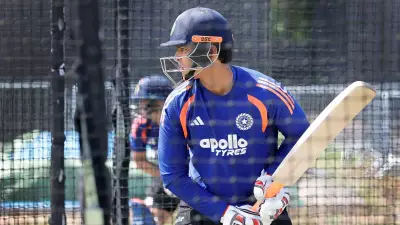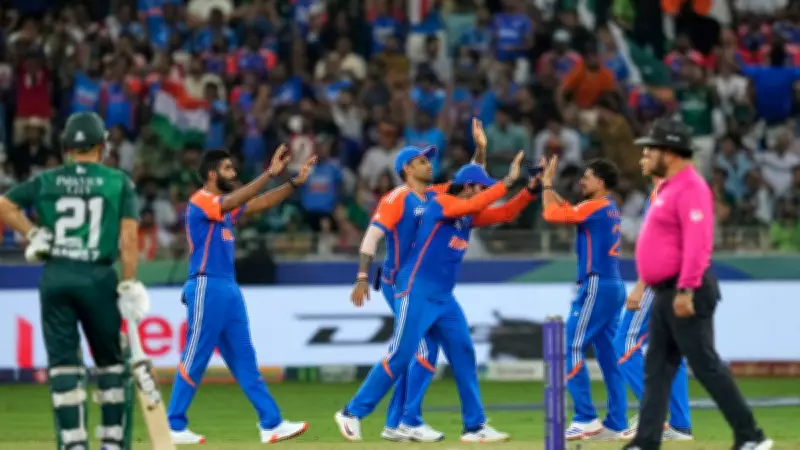
A former India cricketer has made a bold prediction regarding the high-stakes cricketing rivalry between India and Pakistan, suggesting that Pakistan will likely reverse its boycott stance against India for the upcoming T20 World Cup in 2026. This forecast comes amid ongoing tensions and diplomatic challenges that have often spilled over into the sports arena, particularly affecting bilateral cricket series.
Background of the Boycott Stance
Pakistan has maintained a firm boycott stance against playing cricket matches with India in recent years, primarily due to political tensions and security concerns. This stance has led to the cancellation of several scheduled bilateral series, much to the disappointment of cricket fans worldwide who eagerly anticipate the intense contests between these two cricketing giants. The boycott has not only impacted the sport's spirit but also resulted in significant financial losses for both cricket boards, given the massive viewership and revenue generated by India-Pakistan matches.
Financial and Political Pressures
The former India cricketer, whose insights are based on years of experience in international cricket, highlighted that financial pressures will play a crucial role in compelling Pakistan to reconsider its boycott. Matches between India and Pakistan are among the most-watched sporting events globally, attracting millions of viewers and generating substantial advertising revenue. By boycotting, Pakistan risks losing out on these lucrative opportunities, which could strain its cricket board's finances and affect player development programs.

Moreover, political dynamics are expected to evolve, with potential diplomatic engagements or international mediation efforts that might ease tensions. The cricketer pointed out that sports have historically served as a bridge in improving relations between the two nations, and the T20 World Cup 2026 could provide a platform for such reconciliation. International cricket bodies, such as the International Cricket Council (ICC), may also exert pressure to ensure participation from all top teams, including Pakistan, to maintain the tournament's competitiveness and global appeal.
Impact on T20 World Cup 2026
If Pakistan does make a U-turn on its boycott stance, it would significantly enhance the T20 World Cup 2026, making it one of the most anticipated events in cricket history. An India-Pakistan match in a World Cup setting is always a highlight, drawing immense attention and boosting ticket sales, broadcast ratings, and sponsorship deals. The former cricketer emphasized that such a match could serve as a catalyst for broader diplomatic talks, fostering a more positive environment for future collaborations in sports and beyond.
Reactions from the Cricket Community
The prediction has sparked varied reactions within the cricket community. Some analysts agree with the assessment, citing past instances where political barriers were temporarily set aside for major tournaments. Others remain skeptical, noting that deep-seated issues may persist, making a reversal unlikely. Fans, however, have expressed hope for a resolution, as they long to witness the thrilling contests that define this historic rivalry. The former cricketer's comments have reignited discussions on the role of sports in diplomacy and the potential for cricket to mend fractured relations.
In conclusion, while the boycott stance has been a point of contention, the former India cricketer's prediction offers a glimmer of hope for cricket enthusiasts. As the T20 World Cup 2026 approaches, all eyes will be on Pakistan's decision, which could reshape the landscape of international cricket and bilateral relations. The outcome will not only affect the tournament but also set a precedent for how sports can navigate complex political landscapes in the future.