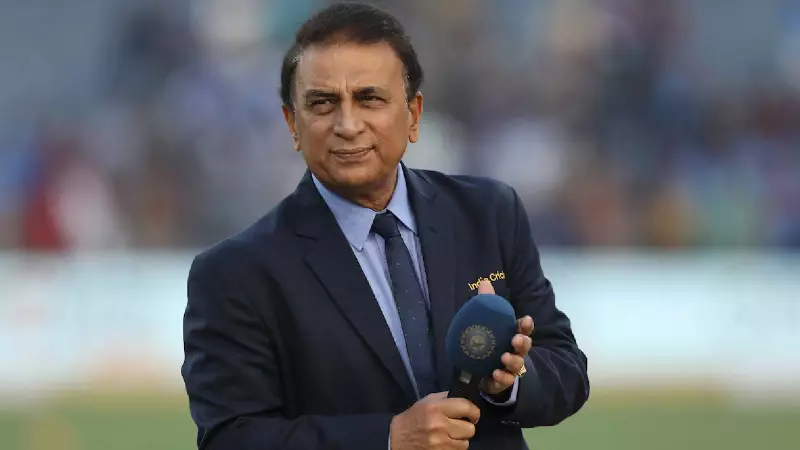
In a landmark judgment for digital rights and celebrity protection in India, the Delhi High Court has stepped in to safeguard the personality rights of cricket icon Sunil Gavaskar. The court has issued stringent orders against the unauthorized commercial use of his name, image, and likeness, specifically targeting the emerging threat posed by artificial intelligence and deepfake technology.
Court's Directives: A 72-Hour Ultimatum for Platforms
Justice Manmeet Pritam Singh Arora, presiding over the case, delivered a comprehensive order on Tuesday. The court has restrained multiple websites and online platforms from illegally exploiting Gavaskar's persona for commercial gain without his explicit consent. A critical part of the ruling focuses on modern technological abuses. The judge explicitly barred several defendants from using Gavaskar's personality traits through AI and deepfake tools.
Furthermore, the court mandated the takedown of specific obscene content featuring Gavaskar that was circulating on the internet. It directed that URLs hosting this offensive material, along with any infringing posts, videos, and related content, must be removed by the websites themselves within a strict 72-hour window. Failure to comply would trigger action, requiring the concerned social media intermediaries to step in and remove the content directly.
Gavaskar's Stance and the Legal Journey
The legendary cricketer and commentator welcomed the decision, stating it marks a significant judicial acknowledgment of a sportsperson's personality and publicity rights in India. He emphasized the importance of this protection against unauthorized attribution, digital dissemination, and commercial exploitation on social media and e-commerce platforms.
This ruling follows an earlier directive from the High Court on December 12. At that time, the court had asked social media intermediaries to act on Gavaskar's plea within seven days, treating his suit as a formal complaint under the Information and Technology (Intermediaries Guidelines and Digital Media Ethics Code) Rules, 2021. During the recent hearing, the court was informed that while some content had been removed, a significant amount remained online, prompting the need for the current, more forceful order.
A Growing Trend: Celebrities Seeking Digital Protection
Sunil Gavaskar's case is part of a rising wave of similar legal actions by Indian celebrities seeking to control their digital identity. The High Court has recently granted interim relief on personality rights to a host of prominent figures, including Bollywood stars like Aishwarya Rai Bachchan, Abhishek Bachchan, Jaya Bachchan, Hrithik Roshan, Ajay Devgn, and R Madhavan. Others like filmmaker Karan Johar, singer Kumar Sanu, Telugu actor Akkineni Nagarjuna, spiritual leader Sri Sri Ravi Shankar, journalist Sudhir Chaudhary, and podcaster Raj Shamani have also approached the court.
Additionally, personalities such as actor Salman Khan, Telugu star NTR Rao Junior, and Andhra Pradesh Deputy Chief Minister Pawan Kalyan have filed similar petitions, highlighting the escalating concern over digital misuse. The court has listed Gavaskar's matter for further hearing on May 22.
This series of cases underscores the urgent legal evolution required to address the challenges of the digital age, where one's name, image, and voice can be easily replicated and misused for profit or malice without consent. The Delhi High Court's proactive stance in Gavaskar's case sets a crucial precedent for protecting individual dignity and commercial rights in the virtual world.