Cricket, Politics, and Faith: Unlikely Intersections in Modern India
In a world where sports, politics, and religion often collide, the recent events surrounding cricket matches and global conflicts offer a fascinating lens into societal dynamics. As a self-professed non-sports enthusiast, I have observed how cricket, in particular, transcends mere entertainment to become a cultural touchstone in the Indian subcontinent.
The Political Sidelines of Cricket
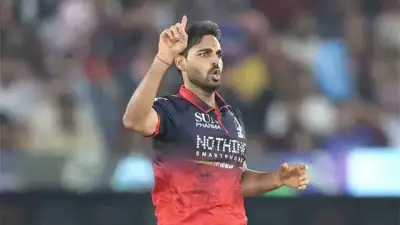
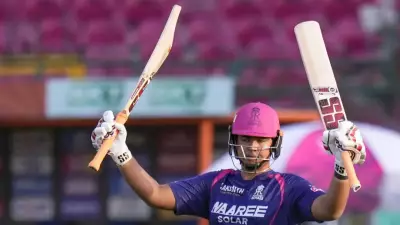
It is intriguing to note that even individuals like myself, who typically avoid sports, found themselves glued to the television during recent cricket matches, fervently praying for India's victory. This raises questions about the political dimensions of the game. For instance, the Congress party's decision to stay away from the final match in Ahmedabad sparked debate. Was this due to the stadium being named after a prominent figure or the BCCI chief's familial connections? Such actions highlight the absurdity of injecting politics into sports, a realm that should unite rather than divide.
Recall a memorable India-Pakistan match where political figures like Rahul, Priyanka, and Robert Vadra were seen cheering enthusiastically, blending seamlessly with the crowd. Their presence underscored how sports can bridge political divides, yet their absence in other key matches leaves one wondering about selective engagement.

Cricket as a Unifying Force
Cricket in the subcontinent is nothing short of a cult phenomenon. Countries like India, Pakistan, Bangladesh, and Sri Lanka are bound by a deep-seated passion for this British-origin game, which they have wholeheartedly adopted. In Pakistan, the political rise of Imran Khan exemplifies this, as his cricketing legacy fuels widespread support for his party, overshadowing any political naivete with patriotic fervor.
India's current cricket team stands out for its remarkable diversity, with players hailing from every corner of the nation—from humble fishing villages to urban centers. This inclusivity contrasts sharply with older, more homogeneous teams from other regions, showcasing a dynamic and merit-based selection process. Unlike in politics, where dynasties often prevail, cricket selectors prioritize talent over lineage, offering a valuable lesson for leadership choices in other spheres.
Faith and Conflict in the Middle East
Shifting focus to global affairs, the fast-evolving situation in the Middle East reveals the profound impact of cultural and religious identities. The resilience of Iran, despite its isolation, poses a significant challenge to US-Israeli actions, highlighting how deep-seated faith can undermine geopolitical might. In just over a week, Iran's actions have disrupted vital oil supplies and sea lanes, demonstrating the power of cultural pride, particularly within the Shia community.
The decision to target an Ayatollah during the holy month of Ramzan underscores a critical misjudgment of religious sensitivities. From the Shia traditions in Awadh to global practices like Lent or Chaitra Navratri, these cultural memories are embedded in rituals of fasting and expiation, fueling unwavering commitment to faith. This conflict is as much a religious war as it is about resources like oil and gas, reminding us that understanding these deep-rooted beliefs is essential for navigating international tensions.
In conclusion, the intersections of cricket, politics, and faith offer rich insights into contemporary India and beyond. As we celebrate sportsmanship and diversity, we must also acknowledge the enduring power of cultural identities in shaping global events.