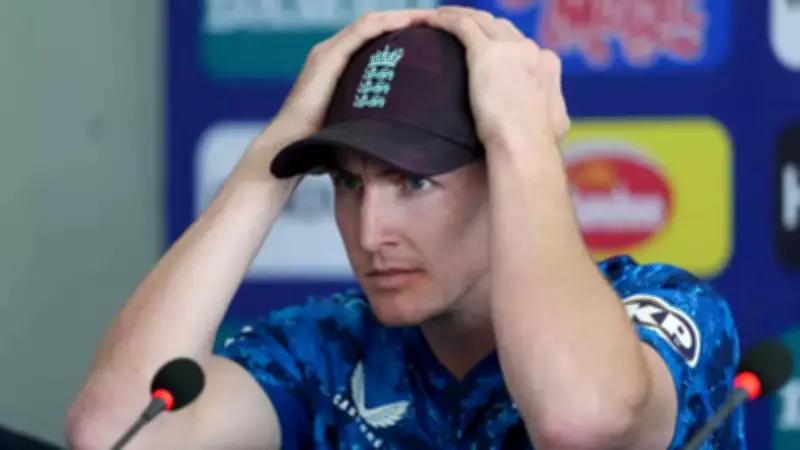
England Captain Harry Brook Confesses to Leadership Shortcomings Following Wellington Nightclub Controversy
England's white-ball cricket captain Harry Brook has made a candid admission about his ongoing learning process regarding leadership responsibilities, particularly in off-field situations. This revelation comes in the aftermath of a nightclub altercation in Wellington last October, where Brook initially withheld crucial details to shield his teammates from scrutiny.
The Wellington Incident and Initial Cover-Up
Brook had originally claimed he was alone when struck by a bouncer during the October incident, which occurred on the eve of England's third ODI against New Zealand. However, subsequent investigations revealed that fellow cricketers Jacob Bethell and Josh Tongue were also present that evening. Despite their presence, Brook chose to shoulder the blame entirely himself, a decision he now acknowledges was misguided.
Following England's victory in the opening T20I against Sri Lanka on Friday, Brook issued a formal statement reiterating the apology he had made earlier during the tour. "I accept responsibility for my actions in Wellington and acknowledge that others were present that evening," Brook stated clearly, marking a significant departure from his initial account.

Brook's Public Apology and Leadership Reflection
In his statement, Brook expressed regret for his previous misleading comments, explaining his original intention was protective. "I regret my previous comments and my intention was to protect my teammates from being drawn into a situation that arose as a result of my own decisions," he said.
The young captain demonstrated remarkable self-awareness about his leadership development needs. "I recognise that I have more to learn regarding the off-field responsibilities that come with leadership and captaincy. I remain committed to developing in this area and to improving both personally and professionally," Brook added, highlighting his commitment to growth despite the challenging circumstances.
Investigation and Consequences
The three players involved are currently under investigation by the Cricket Regulator regarding the Wellington incident. Brook has already faced significant consequences for his actions, receiving the maximum possible fine of £30,000 along with a final warning concerning his conduct away from the cricket field.
Speaking in Colombo last week, Brook acknowledged the broader impact of the episode on team dynamics. He admitted that the incident had damaged trust within the squad and emphasized his ongoing efforts to rebuild that crucial element of team cohesion.
Brook's Detailed Account and Personal Reflection
Providing more context about the evening, Brook explained, "We went out for a couple of drinks beforehand and then I took it upon myself to go out for a few more and I was on my own there." He described the confrontation, saying, "I was trying to get into a club and the bouncer just clocked me, unfortunately. Like I said, I shouldn't have been in that situation from the start... I wasn't absolutely leathered, I'd had one too many drinks."
The England captain reflected on the personal impact of the incident, stating, "I have apologised and will continue to reflect on the matter. This has been a challenging period in my career, but one from which I am learning." This acknowledgment demonstrates Brook's understanding that leadership extends beyond performance on the cricket pitch to encompass personal conduct and decision-making in all aspects of life.
Brook's situation serves as a reminder about the heightened responsibilities that come with captaincy in professional sports, where off-field behavior carries significant consequences for both individual careers and team dynamics. His willingness to publicly acknowledge his learning curve represents a mature approach to leadership development that could ultimately strengthen his captaincy in the long term.