Bangladesh Cricket Board Official Steps Down Amid World Cup Controversy
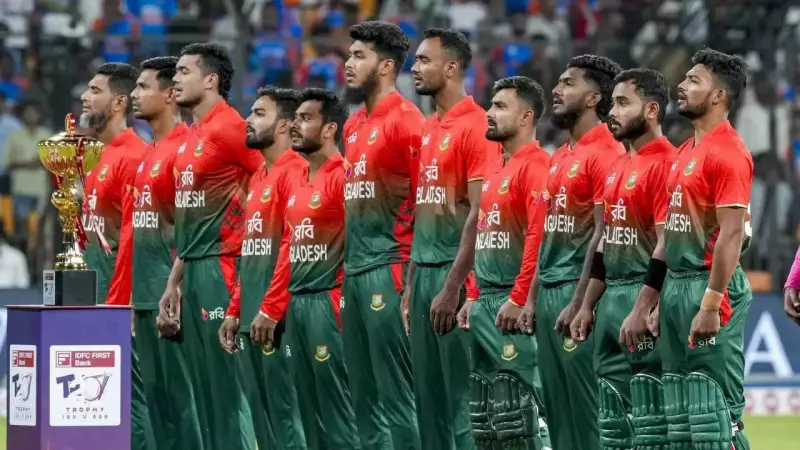
Bangladesh cricket plunged into deeper turmoil on Saturday as a senior Bangladesh Cricket Board (BCB) official resigned on the very day the national team was officially removed from the 2026 T20 World Cup lineup. The dual developments have sent shockwaves through the cricketing community, raising questions about the future direction of Bangladesh cricket during a particularly sensitive period.
Resignation of BCB Director Ishtiaque Sadeque
Ishtiaque Sadeque, a BCB director and chairman of the Game Development Committee, submitted his resignation hours after the International Cricket Council (ICC) confirmed Scotland as Bangladesh's replacement for the prestigious tournament. Sadeque, who was elected as a BCB director from the Dhaka Clubs category in October last year with the highest number of votes in his category, cited personal and family commitments as the primary reasons for his sudden departure.
"It is true that I am resigning," Sadeque told Cricbuzz. "I believe that I am unable to dedicate the time required for such a large community like Game Development, where I am currently serving, because of my family and personal commitments. I cannot provide the effort necessary to accelerate Game Development. For this reason, I feel a personal sense of regret that I am not doing justice to this position."

The timing of his resignation raised immediate questions, coming as it did on the same day Bangladesh lost their World Cup spot. However, Sadeque firmly denied any connection between his decision and the ICC controversy or internal board disputes.
Denial of Internal Conflicts
"The claim that I am leaving because of any misunderstanding, relationship issues with anyone on this board, or due to any hurt feelings or grievances, is completely false," Sadeque emphasized. "Everyone who was with me tried their best in their own way."
Despite stepping down, Sadeque expressed confidence in his successor and pledged continued support for Bangladesh cricket from outside the board structure. "I believe that whoever succeeds me in Game Development will be able to take Bangladesh's cricket forward. They have my full support. Even though I will no longer be on the board, they will have my complete support," he added.
ICC's T20 World Cup Decision
Earlier on Saturday, the ICC made the dramatic announcement that Bangladesh had been replaced by Scotland for the T20 World Cup 2026. This decision followed weeks of tense negotiations after Bangladesh refused to play their scheduled matches in India. The BCB had demanded a shift to Sri Lanka, citing unspecified security concerns that prompted their withdrawal from the tournament.
The ICC responded by conducting independent security reviews that found no credible threats in India, leading the governing body to rule out any schedule changes. With no agreement reached after extensive discussions, the ICC proceeded with its contingency plan, bringing in Scotland based on their international rankings.
Scotland's New Tournament Placement
Scotland will now compete in Group C of the T20 World Cup 2026 alongside:
- England
- West Indies
- Italy
- Nepal
The Scottish team will begin their campaign on February 7 in Kolkata, taking advantage of the opportunity created by Bangladesh's withdrawal.
Broader Implications for Bangladesh Cricket
These developments represent a significant setback for Bangladesh cricket, which has already been facing heavy criticism following recent World Cup controversies. The simultaneous loss of a World Cup spot and the resignation of a key board official creates multiple challenges for the cricket administration:
- Rebuilding international tournament participation pathways
- Addressing governance and leadership stability concerns
- Managing player morale and development programs
- Restoring confidence among cricket fans and stakeholders
The coming weeks will be crucial for Bangladesh cricket as it navigates these dual crises and works to stabilize its position in international cricket while addressing internal administrative challenges.