Aminul Islam Bulbul occupies a revered position in Bangladesh cricket history as the nation's pioneering Test centurion, achieving this landmark during Bangladesh's inaugural Test match against India twenty-five years ago. This accomplishment continues to shine as one of the brightest highlights of his distinguished career. However, on Thursday, it emerged that another unprecedented distinction might now be attached to his leadership period, though this one carries decidedly negative implications.
Potential Historic Withdrawal from ICC Tournament
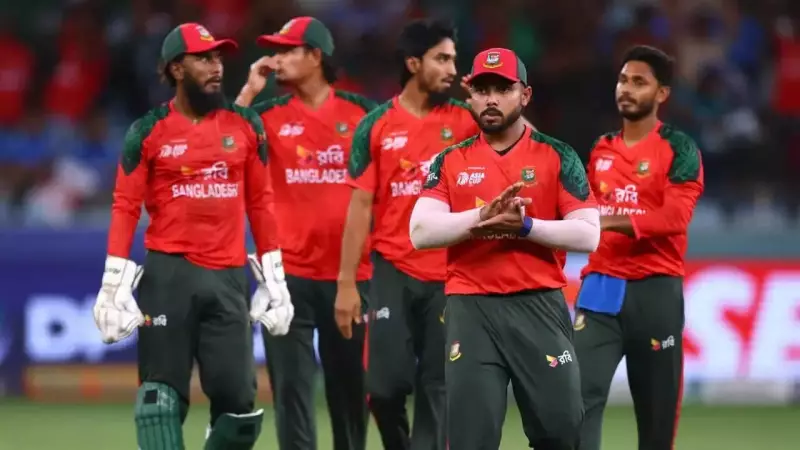
Bulbul is poised to become the first president of the Bangladesh Cricket Board under whose administration the national cricket team is likely to withdraw from an International Cricket Council global tournament. This precarious situation has developed primarily due to the firm stance adopted by government sports adviser Asif Nazrul, who has explicitly connected security apprehensions with matters of national prestige and honor.
Substantial Financial Ramifications for Bangladesh Cricket
Should Bangladesh ultimately decide against participating in the upcoming ICC Men's T20 World Cup, the country could confront severe financial consequences. The economic impact would reverberate across multiple stakeholders including the Bangladesh Cricket Board itself, the national team players, and the tournament's broader commercial framework.

By competing in the T20 World Cup, Bangladesh stands to earn approximately Bangladeshi Taka 4 crore, equivalent to roughly $300,000 in international currency. Achieving a position among the tournament's top twelve teams would substantially increase this amount to over Bangladeshi Taka 5.5 crore, approximately $450,000. More alarmingly, a withdrawal could potentially result in the BCB forfeiting close to BDT 325 crore, which translates to approximately USD 27 million, that the board receives annually from the International Cricket Council as part of its revenue distribution.
Furthermore, broadcast rights and sponsorship revenues would experience significant disruption, with projections indicating the board's income for the current financial year might plummet by nearly sixty percent or possibly even more. The financial instability could extend beyond immediate tournament losses, potentially affecting long-term commercial partnerships and broadcasting agreements.
Additional Sporting and Political Consequences
The situation might trigger further repercussions, including the distinct possibility that India could cancel its scheduled tour of Bangladesh during August and September. The television rights for this bilateral series are considered exceptionally valuable, estimated to be equivalent to at least ten bilateral matches involving other international teams.
Bangladesh is scheduled to conduct national elections on February 12, and once a new government assumes power, Nazrul—who has been active during recent protests and maintains associations with Jamaat—may no longer wield significant influence within sports administration. Nevertheless, regardless of political changes, the fallout from this episode is expected to remain permanently associated with Bulbul's tenure as BCB president.
Players Face Greatest Impact Beyond Financial Loss
In this developing scenario, the national team players arguably stand to lose the most substantial opportunities, as they would miss the chance to compete at cricket's premier global event. According to a recent PTI report, both Nazrul and Bulbul have provided assurances to the players that they will not forfeit their match fees and will receive compensation based on the number of games Bangladesh would have potentially played during the tournament.
However, for elite athletes competing at the highest international level, financial compensation alone does not represent their sole motivation. The opportunity to test their skills against world-class opposition on cricket's grandest stages carries immense professional and personal significance that monetary reimbursement cannot fully replace.

The potential withdrawal represents a critical juncture for Bangladesh cricket, balancing complex considerations of security, national pride, financial stability, and sporting ambition. As developments continue to unfold, the decisions made in coming weeks could shape the trajectory of Bangladeshi cricket for years to come, with Aminul Islam Bulbul's presidency now facing its most challenging test since that historic century twenty-five years ago.