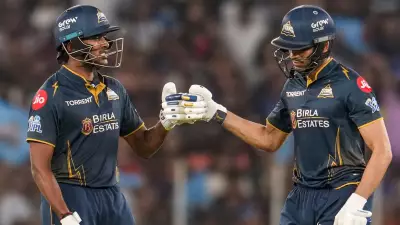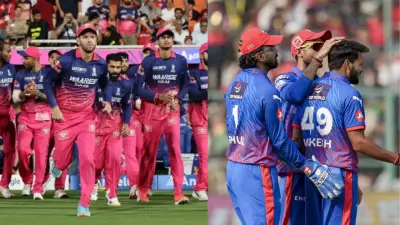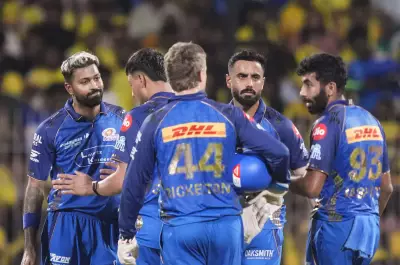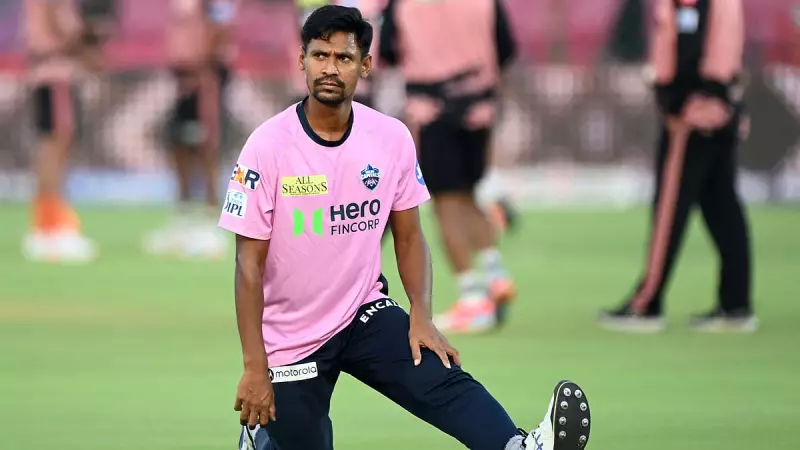
In a dramatic move reflecting deep-seated diplomatic and sporting discontent, the Bangladesh government has ordered an indefinite ban on the television broadcast of the Indian Premier League (IPL). This decisive action comes as a direct response to the exclusion of the nation's premier fast bowler, Mustafizur Rahman, from the lucrative T20 tournament.
The Catalyst: Mustafizur Rahman's IPL Snub
The central point of contention is the non-selection of left-arm pacer Mustafizur Rahman during the recent IPL player auction or through subsequent team signings for the 2026 season. The Bangladesh government, in an official statement, expressed that this decision has profoundly affected the sentiments of its citizens. Authorities stated that the move to exclude the cricketing star has 'pained, saddened, and aggrieved' the people of Bangladesh, turning a sporting matter into a national issue.
Official Reaction and Immediate Fallout
The ban was announced on 05 January 2026, with the directive taking immediate effect. This means fans in Bangladesh will be unable to watch the world's most popular cricket league on any licensed television network or broadcaster within the country. The government's order underscores the emotional investment the public has in its sporting heroes and views Mustafizur's omission as a slight not just against the player, but against the nation's cricketing stature.

The reaction highlights the significant cultural and political weight cricket carries in the region. Mustafizur Rahman, known for his deceptive cutters and past IPL success, is a national icon. His absence from the tournament was perceived not merely as a commercial or tactical decision by franchises, but as an oversight that disregarded his talent and marketability.
Broader Implications for Cricket Relations
This indefinite ban on IPL telecast marks one of the most severe cross-border reactions to a player selection issue in cricket history. It raises immediate questions about the soft power dynamics within subcontinental cricket and the economic implications for broadcasters. The decision could potentially strain sporting ties and affect the viewership dynamics of the IPL, which has a massive fan following in Bangladesh.
The fallout extends beyond just television screens. It impacts:
- Fan Engagement: Millions of Bangladeshi cricket enthusiasts are now cut off from live coverage.
- Broadcast Rights: Networks holding expensive IPL distribution licenses face significant financial losses.
- Diplomatic Channels: The situation may necessitate discussions between cricket boards and government officials to resolve the impasse.
While the core issue is Mustafizur Rahman's exclusion, the ban reflects the growing trend where sports and national pride are increasingly intertwined in international relations. The next steps likely depend on whether any IPL franchise makes a late move for the bowler or if diplomatic dialogue can find a middle ground to lift the broadcast embargo.