Former Indian Captain Azharuddin Slams Bangladesh's Decision to Skip World Cup Matches in India
Former Indian cricket captain Mohammad Azharuddin has strongly criticized the Bangladesh Cricket Board's decision to avoid traveling to India for their upcoming ICC Men's T20 World Cup 2026 matches, stating unequivocally that this move will result in significant losses for the Bangladesh team and its players.
Security Concerns Dismissed as Unfounded
Azharuddin addressed Bangladesh's cited security concerns directly, emphasizing that India maintains a robust and reliable safety system for international sporting events. "If they don't come, it is their loss. They cannot complain about our security system," the former skipper asserted during his remarks. He pointed to the current cricket calendar as evidence, noting that multiple international teams are actively competing in India without issue.
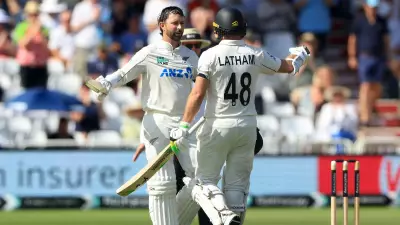
"A lot of international matches are going on, and no team has complained. Our country is very secure. All the teams are playing. New Zealand are currently playing in India, and South Africa played just a few days ago," Azharuddin elaborated, highlighting the contrast between Bangladesh's stance and the experiences of other cricketing nations.

ICC Rejects BCB's Request to Relocate Matches
The controversy stems from the Bangladesh Cricket Board's formal request to the International Cricket Council to shift their World Cup matches from India to Sri Lanka, citing what they described as "security and safety concerns" for their players. This request followed an incident where the Board of Control for Cricket in India instructed the IPL franchise Kolkata Knight Riders to release Bangladeshi pacer Mustafizur Rahman from their squad ahead of the 2026 season, against the backdrop of reported violence against minorities in Bangladesh.
However, the ICC decisively rejected BCB's appeal during a video conference convened specifically to discuss this matter. Following this rejection, BCB President Aminul Islam Bulbul confirmed on Thursday that Bangladesh remains firm in its decision not to play its ICC Men's World Cup matches in India.
Logistical Challenges and Tournament Schedule
Azharuddin also addressed the practical difficulties of altering tournament arrangements at this stage. "You can't keep shifting the World Cup matches here and there. Since the matches are already scheduled, it is very difficult to shift matches," he explained, underscoring the organizational complexities involved in last-minute venue changes for a global event of this magnitude.
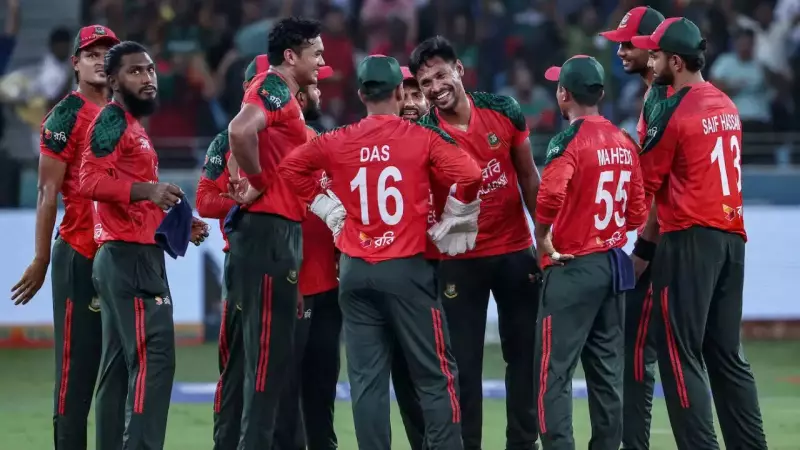
According to the current ICC schedule, Bangladesh is set to begin their T20 World Cup 2026 campaign on February 7 against two-time champions West Indies at Kolkata's historic Eden Gardens. The Litton Das-led squad is then scheduled to face Italy on February 9 at the same venue, followed by a match against England in Kolkata. Subsequently, the team is slated to travel to Mumbai to compete against Nepal at the renowned Wankhede Stadium.
Broader Implications for International Cricket Relations
This development raises important questions about diplomatic relations within international cricket governance. The standoff between the Bangladesh Cricket Board and Indian cricket authorities, mediated by the ICC, reflects broader geopolitical tensions that occasionally intersect with sports. Azharuddin's comments represent a significant voice from India's cricketing community, defending the nation's capability to host secure international tournaments while questioning the rationale behind Bangladesh's withdrawal.
The situation continues to evolve as tournament dates approach, with potential implications for team preparations, fan engagements, and the overall spirit of international cricket cooperation. As stakeholders monitor further developments, the focus remains on whether diplomatic resolutions can be reached or if Bangladesh will proceed with their boycott, accepting what Azharuddin predicts will be substantial competitive and reputational consequences.