India U-19 Captain's Batting Woes Cast Shadow Over Crucial New Zealand Encounter
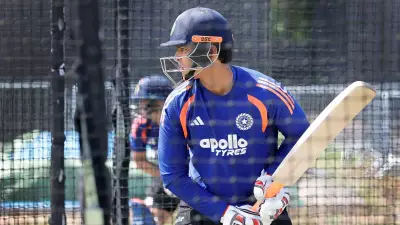
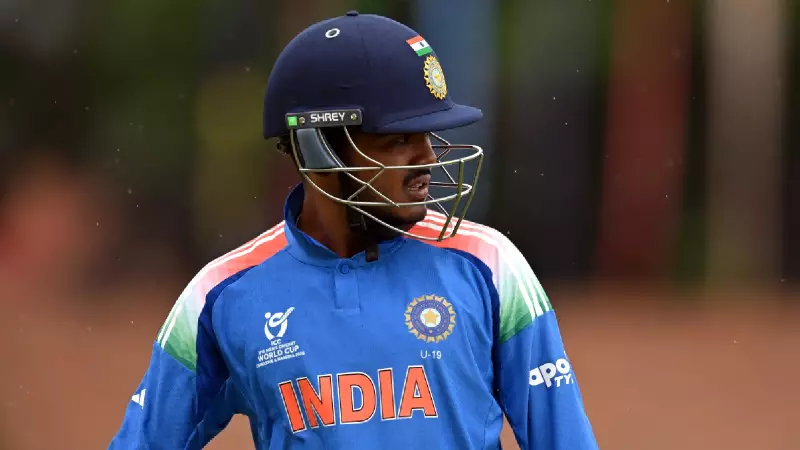
As the India Under-19 cricket team prepares for their final league stage match against New Zealand in the ICC Under-19 World Cup, all eyes are firmly fixed on captain Ayush Mhatre and his concerning lack of form with the bat. The highly anticipated clash in Bulawayo on Saturday comes at a critical juncture, with Mhatre's prolonged lean patch becoming an unavoidable talking point for the Indian camp.
A Disturbing Pattern of Early Dismissals
Mhatre's recent performances present a troubling narrative for Indian supporters. Following a promising 49-run knock in the warm-up match against England, his returns in competitive fixtures have plummeted dramatically. In the tournament opener against the USA, he managed only 19 runs before departing. Just two days later, against a disciplined Bangladesh bowling attack, his stay at the crease lasted a mere 12 balls, resulting in a disappointing score of six.
This struggle isn't isolated to the World Cup alone. Prior to this global tournament, the 18-year-old right-hander endured a difficult period during the Under-19 Asia Cup as well, accumulating just 65 runs across five innings that included three single-digit scores. These statistics stand in stark contrast to his impressive List A career numbers, where he has compiled 458 runs in seven matches at an outstanding average of 65.42.

Technical Flaws and Format Mismatch
Analysis of Mhatre's dismissals reveals a recurring vulnerability against the rising delivery. Against the USA, he attempted an uncontrolled hook shot that found the fielder at deep fine leg. The Bangladesh match saw him fall to a similarly mistimed slash off a short-and-wide ball. These incidents point toward a pattern of premature aggression and hard-handed play outside the off-stump during the crucial first powerplay overs.
Experts observing his technique suggest the captain appears caught between formats. While his natural stroke-making ability serves him well in T20 cricket, the 50-over game demands greater patience and temperament. The "slam-bang" approach that might succeed in shorter formats becomes a liability on pitches requiring initial circumspection, particularly during the morning sessions in Bulawayo where the surface tends to hold up.
Structural Implications for Team India
Mhatre's batting struggles extend beyond personal statistics, creating structural challenges for the entire Indian lineup. When the captain falls early, it triggers a domino effect that forces the middle-order into constant recovery mode. The match against Bangladesh exemplified this perfectly, with India reduced to 12/2 within the first three overs.
This early collapse necessitated a remarkable rescue effort from 14-year-old Vaibhav Suryavanshi (72) and Abhigyan Kundu (80), who reconstructed the innings through disciplined partnership building. While such middle-order resilience is commendable, relying consistently on recovery acts rather than establishing solid platforms represents a high-risk strategy that could prove unsustainable against stronger opponents.
By failing to provide that crucial foundation, Mhatre inadvertently restricts the freedom of India's power-hitters later in the innings, forcing them to adopt conservative approaches when their natural game involves aggressive stroke-play.
The New Zealand Challenge and Tournament Context
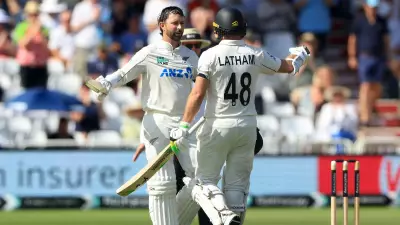
New Zealand enters this fixture facing their own set of challenges, having endured two washouts that denied them valuable match practice, rhythm, and points. This makes Saturday's encounter essentially a must-win situation for the Kiwis, as a loss could jeopardize their qualification prospects for the knockout stages.
The lack of competitive cricket presents a double-edged sword for New Zealand. While it has kept their players physically fresh, it has also prevented them from settling into optimal combinations or addressing flaws under genuine match pressure. Against India, they will require disciplined new-ball bowling, sharp fielding, and batters willing to value their wickets during the initial overs before accelerating later.

For Mhatre, the Bulawayo conditions demand a recalibrated approach. The first 30 balls on this surface are more about survival and assessment than strike rates. If he can navigate the initial threat posed by New Zealand's pace attack featuring Flynn Morey, Mason Clarke, and Callum Samson, the runs may naturally follow. However, if he continues his pattern of early aggression leading to premature dismissal, the pressure on India's middle-order could reach breaking point.
The match promises high stakes for both teams, with India seeking to maintain momentum and New Zealand fighting for tournament survival. All eyes will be on whether the Indian captain can rediscover his touch and lead from the front when his team needs it most.