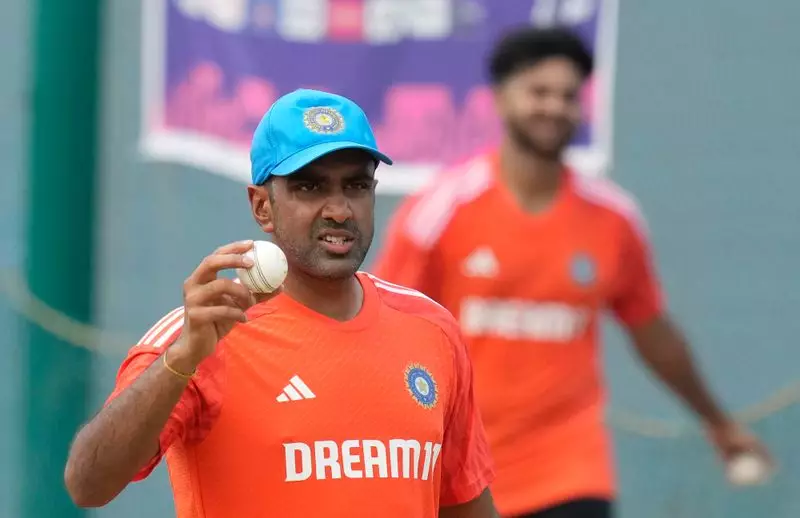
Veteran Indian off-spinner Ravichandran Ashwin has cast significant doubt on the long-term viability of One Day International (ODI) cricket, suggesting its future beyond the 2027 World Cup is highly uncertain. The seasoned cricketer described the 50-over format as being on "life support," sparking a fresh debate about the evolving landscape of international cricket.
The Core Concern: Is ODI Cricket Losing Its Relevance?
Ashwin's comments came during a candid discussion on his YouTube channel, where he reflected on the shifting priorities and audience engagement in the sport. He pointed to the immense popularity and commercial success of franchise-based T20 leagues worldwide, coupled with the enduring prestige of Test cricket, as factors squeezing the ODI format from both sides.
The cricketer emphasized that the ODI World Cup remains a massive global event, but the bilateral ODI series in the years between World Cups are struggling to capture fan interest. He argued that the cricket calendar is becoming overwhelmingly crowded, forcing stakeholders to make tough choices about which formats to prioritize for survival and growth.

Ashwin's Analysis: A Format Caught in the Middle
Ashwin provided a nuanced analysis, acknowledging the historical significance of ODIs. He recalled how the format once revolutionized the game with iconic moments, like the 1983 World Cup win that transformed cricket in India. However, he believes the pace and excitement of T20 cricket have redefined what modern audiences seek from a limited-overs contest.
"One-day cricket is a format I feel is on life support," Ashwin stated bluntly. He explained that while Test cricket is revered as the ultimate challenge and T20 is the cash-rich entertainer, ODIs currently lack a distinct identity that guarantees its place in a packed future schedule. The 2027 World Cup, to be hosted by South Africa, Zimbabwe, and Namibia, might be a critical landmark for the format.
The Road to 2027 and Potential Scenarios
The spinner's remarks raise questions about what happens after the 2027 tournament. Cricket administrators globally are already grappling with balancing formats. Ashwin hinted that the International Cricket Council (ICC) and national boards might need to consider a radical restructuring, potentially making the ODI World Cup a standalone pinnacle event while drastically reducing bilateral ODI commitments.
This perspective aligns with a growing sentiment among some players and commentators who feel the relentless schedule is unsustainable. The focus, according to Ashwin, should be on preserving the health of Test cricket and managing the T20 league ecosystem, which might leave little room for ODIs as we know them today.
Ashwin's views carry weight given his experience and stature in the game. As a thoughtful analyst of cricket's nuances, his warning serves as a catalyst for administrators to proactively plan the future. Whether the 50-over format can reinvent itself or will gradually fade after 2027 remains one of the biggest questions facing the sport today.