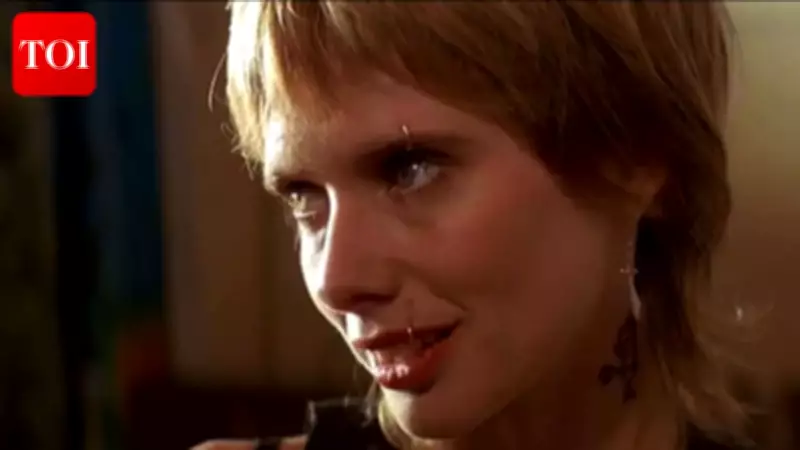
Rosanna Arquette Condemns Quentin Tarantino's Controversial Language in Pulp Fiction
Renowned actress Rosanna Arquette, celebrated for her performances in iconic films such as Desperately Seeking Susan, The Whole Nine Yards, and Crash, has recently voiced strong criticism against director Quentin Tarantino. In a candid interview, she specifically targeted his extensive use of the n-word in the classic film Pulp Fiction, labeling the practice as fundamentally racist.
Arquette's Blunt Assessment of Tarantino's Artistic Choices
While discussing her extensive career in Hollywood with The Times, Arquette reflected on her experiences with Pulp Fiction. She acknowledged the film's significant cultural impact and its status as a cinematic landmark. However, she expressed deep discomfort with Tarantino's persistent inclusion of the racial slur throughout the movie.
"I cannot stand that he has been given a hall pass," Arquette stated emphatically during the conversation. "It's not art, it's just racist and creepy." Her comments highlight a growing scrutiny of how filmmakers handle sensitive language, even in works considered masterpieces.

Spike Lee's Parallel Criticisms of Tarantino
Arquette is not alone in her condemnation. Acclaimed director and actor Spike Lee has repeatedly criticized Tarantino for his liberal use of the n-word in various films. In an interview with Variety, Lee explained that while he occasionally uses the term in specific contexts, he believes Tarantino displays an unhealthy obsession with the word itself.
Lee's perspective adds weight to Arquette's claims, suggesting a broader concern within the entertainment industry about the boundaries of artistic expression versus perpetuating harmful stereotypes.
The Enduring Legacy of Pulp Fiction
Released in 1994, Pulp Fiction has achieved cult classic status over the decades. The non-linear crime narrative follows two gangsters, Vincent Vega and Jules Winnfield, portrayed by John Travolta and Samuel L. Jackson, as they undertake a dangerous mission for a powerful mob boss. Uma Thurman also stars in a pivotal role, contributing to the film's enduring popularity.
Despite its acclaim for innovative storytelling and memorable dialogue, the film's language continues to spark debate. Arquette's recent remarks bring this controversy back into the spotlight, questioning whether certain elements of the movie have aged poorly in today's more socially conscious climate.
Implications for Hollywood and Beyond
This incident raises important questions about accountability in filmmaking. As audiences become more aware of racial sensitivities, classic works are increasingly re-evaluated through a modern lens. Arquette's criticism challenges the notion that artistic merit can excuse potentially offensive content, urging a more nuanced approach to creative expression.
The conversation initiated by Arquette and supported by figures like Spike Lee may influence how future generations perceive Tarantino's filmography and the broader responsibilities of filmmakers in depicting race and language.