Unprecedented Blunders Rock Elite Tata Steel Chess Tournament
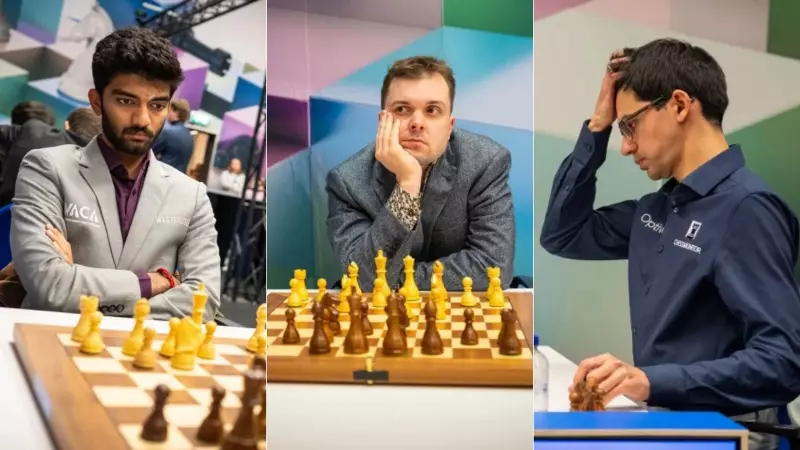
The Tata Steel Chess Masters tournament in Wijk aan Zee has been rocked by an unusual phenomenon: elite grandmasters making elementary, game-ending blunders that have left the chess world baffled. The most shocking moment came when 19-year-old world champion Gukesh Dommaraju made what opponent Nodirbek Abdusattorov described as "unexplainable" errors, forcing immediate resignation.
A Cascade of Costly Mistakes
Gukesh's sixth-round blunder against Abdusattorov was particularly dramatic. The young champion left both his pawn and rook completely defenseless while simultaneously exposing his king to imminent checkmate. This wasn't an isolated incident for Gukesh, who repeated similar mistakes in subsequent rounds, including against Dutch grandmaster Anish Giri.
The tournament's opening round set the tone with multiple high-profile blunders. Vladimir Fedoseev made what many considered the most jarring error, carelessly moving his knight directly into a pawn's path during the 14th move, leading to its capture and forcing his resignation just two moves later.

Anish Giri contributed to the trend with his own significant oversight. During the first round, he captured Vincent Keymer's undefended pawn without realizing this would allow Keymer's rook to create a fork, threatening both of Giri's bishops simultaneously. Giri resigned immediately after Keymer's decisive 23rd move.
Experts Puzzled by Unprecedented Pattern
Latvian grandmaster Arturs Neiksans expressed astonishment on social media, questioning, "What's going on in Wijk? I can't recall the last time there were so many one-move blunders in a super-tournament." This sentiment has been echoed throughout the chess community, as such elementary errors are exceptionally rare at this elite level.
British grandmaster David Howell described the situation as a "worrying trend" and offered a potential explanation: "I have some chess-specific theories, but mainly I think it's tiredness. Players are competing and traveling far more than ever, facing all different time controls, not to mention media obligations. It feels like it's becoming harder to stay consistent and 'stable.'"
Time Control Changes and Fan Proximity Cited as Factors
German grandmaster Vincent Keymer pointed to a significant rule change at this year's tournament as a potential contributing factor. Unlike most classical tournaments, the Tata Steel event eliminated increments for the first 40 moves, requiring players to complete this phase within 120 minutes without additional time per move.
"We play so many different time controls nowadays, even for classical chess, but we almost never play without an increment," Keymer explained in an interview. "It's quite a significant change, and I do believe it matters. The time control is a factor, and not being used to it changes things. You can feel the difference. Normally, you have an automatic rhythm that you're used to, but here, we just don't have it."
Anish Giri supported this assessment while adding another dimension to the discussion. The Dutch grandmaster noted that this year's tournament features fans positioned closer to the playing area than in previous editions, creating what he described as a "weird sense that someone is near me all the time."
"I've played here for 18 years, so I know how it's supposed to feel," Giri elaborated. "The atmosphere in the playing hall is also a bit different. I don't feel as at peace as I used to be in previous years. The audience is closer than before, and it creates this weird sense that someone is near me all the time. I'm used to having a very wide playing area. Don't get me wrong, there is still a lot of space between us and the audience, but I'm so used to more that I feel cramped by comparison."
This fan proximity issue manifested tangibly during the first round when Gukesh became visibly irritated by talkative spectators standing near his board, gesturing for them to be quiet just before allowing Javokhir Sindarov to escape with a draw from what should have been a winning position.

Broader Implications for Elite Chess
The concentration of high-level blunders at a single tournament raises important questions about the evolving pressures facing elite chess players. The combination of increased travel demands, varied time controls, heightened media obligations, and changing tournament environments appears to be creating unprecedented challenges for maintaining peak performance consistency.
As the chess world analyzes these developments, the Tata Steel Chess Masters continues to provide both spectacular play and unexpected drama, reminding everyone that even the world's best players remain human and susceptible to pressure, fatigue, and environmental factors that can dramatically impact their performance on the board.