Toxic Air Wake-Up Call: Athletes Struggle as Pollution Shrinks Training Windows
As India makes a bold pitch to host the 2036 Olympics, a pressing concern has emerged from the heart of the National Capital Region. The window for athletes to train effectively is rapidly shrinking, not just due to the harsh winter cold or searing summer heat, but primarily because of the dangerously toxic air that blankets the region for months each year.
Tejaswin Shankar's Stark Revelation: "I Can't Do Strenuous Training"
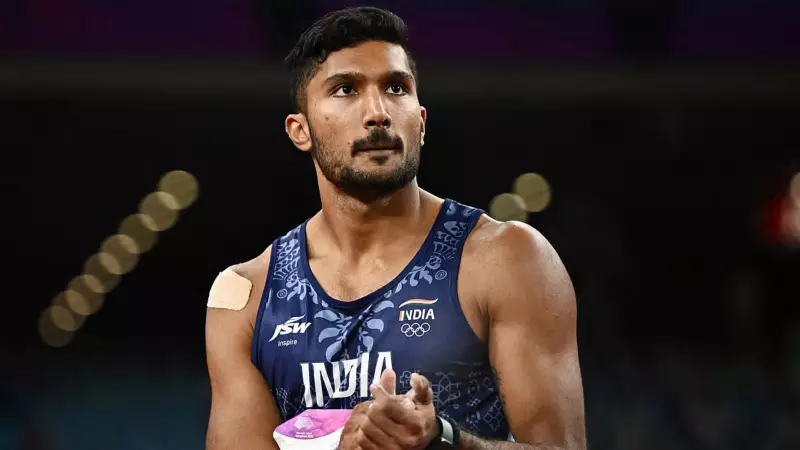
In an exclusive conversation, Commonwealth Games medalist and Asian Games champion Tejaswin Shankar laid bare the grim reality facing athletes in Delhi. "The biggest limiter is I can't do strenuous training because my lungs are going to be impacted," Shankar stated emphatically. He expressed deep concern about risking long-term damage to his respiratory system while pursuing his athletic goals.
Shankar, who has trained in Delhi for over a decade, noted a dramatic shift in recent years. "The biggest change has been the pollution over the last few years for some reason," he observed. "I feel in the last seven to eight years, the pollution has for some reason exponentially increased." This escalation has transformed what was once a seasonal weather challenge into a persistent health crisis.

The Physiological Toll on Athletic Performance
The impact of air pollution on athletic performance is both immediate and profound. During intense physical activity, an athlete's heart rate can soar from a resting 100 beats per minute to 160 beats per minute or higher. This increased cardiovascular demand requires significantly more oxygen uptake.
"What's happened over the last few years is now the uptake of oxygen has not been as much, but the uptake of pollution has increased because the particulate in the air has increased also," Shankar explained. This imbalance directly compromises an athlete's ability to sustain high-intensity training, with many struggling to complete even basic physical activities.
The problem has expanded beyond outdoor sports. International badminton stars competing in Delhi recently complained to the International Olympic Committee about air pollution, highlighting that indoor athletes now face similar health concerns.
A Shifting Landscape: From Weather Woes to Pollution Crisis
Shankar recalled how training conditions have evolved dramatically. "Back in the day the winter months were more about if you can brave the weather. But now it's less about the weather and more about the fact that it's polluted," he noted. The cherished "sardi ki dhoop" (winter sun) between noon and 3 PM, once considered ideal for outdoor activities, has lost its appeal as pollution levels render even this timeframe hazardous.
The summer months present their own challenges, with extreme heat making physical exertion difficult. This combination of toxic winters and scorching summers has created an increasingly narrow window for optimal training conditions.
The Privilege of Escape and the Reality for Most
Shankar acknowledged his relative privilege in being able to avoid Delhi's worst pollution periods. "I can sit and say all these things because now I'm at a luxury where funding is not a problem," he admitted, referencing support from programs like TOPS (Target Olympic Podium Scheme) that enabled him to train in Bhubaneswar, South Africa, and the United States during peak pollution months.
However, he emphasized that most aspiring athletes lack this option. "Some of them, even now, don't have the option of going out of Delhi. And they don't have the luxury of not training because competitions come up," Shankar pointed out. These athletes cannot afford two-to-three month breaks from training, forcing them to endure potentially harmful conditions.
Broader Implications for India's Sporting Future
The issue extends beyond individual athletes to impact India's broader sporting ambitions. As the country prepares its bid for the 2036 Olympics, the quality of training environments becomes increasingly critical. Coaches and athletes across multiple sports—including boxing, wrestling, athletics, para-athletics, cycling, shooting, and hockey—have reported significant impacts on both health and training regimens.

Shankar's experience highlights a growing divide in Indian sports: those with resources to escape polluted environments and those forced to train under conditions that may compromise both immediate performance and long-term health. This disparity raises important questions about equity in athletic development as India positions itself as a future Olympic host.
The toxic air crisis represents more than an environmental concern—it has become a fundamental challenge to India's sporting aspirations, demanding urgent attention from policymakers, sports authorities, and environmental agencies alike.