Sunita Williams Candidly Discusses the Realities of Space Life
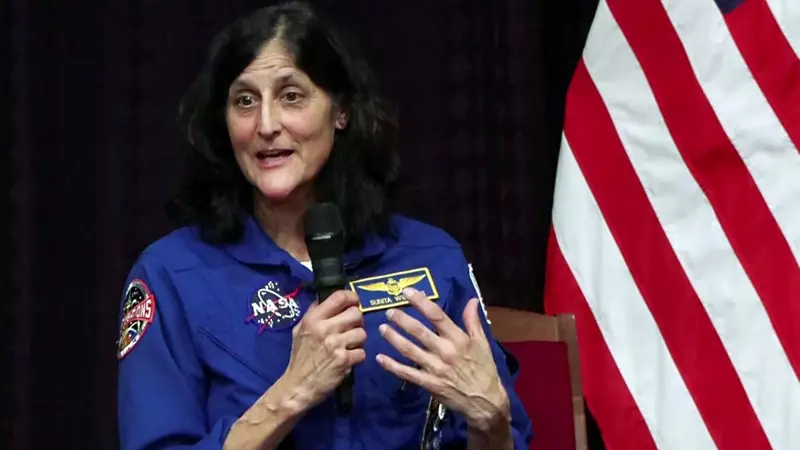
Indian-origin astronaut Sunita Williams, who recently retired after a distinguished 27-year career with NASA, has been opening up about her extraordinary experiences in space. During a recent appearance on Raj Shamani's podcast The Figuring Out Co., Williams shared heartfelt and humorous insights into the challenges of living 400 kilometres above Earth.
The Emotional Toll of Space Travel
Williams revealed that despite the wonder of space exploration, astronauts experience profound emotional moments. "I miss people, and I miss my dog," she confessed, adding that she cried in space for both sad and joyful reasons. "I cried for really good things that have happened to me, too," she said, describing how difficult it was to support colleagues dealing with personal crises like family illnesses while isolated in orbit.
The Uncomfortable Reality of Space Bathrooms
One of the most challenging aspects of space life, according to Williams, is using the bathroom in zero gravity. When asked about the worst part, she responded, "Oh my gosh, there are so many bad things about it. No gravity assist." She explained that astronauts must mentally prepare themselves for basic bodily functions. "I wait till I'm ready to go, and then I just go. You have to commit," Williams emphasized, highlighting how the body must adapt to different muscle usage without Earth's gravity.

Medical Perspective on Space Living Challenges
Dr. Pooja Pillai, Consultant in Internal Medicine at Aster CMI Hospital in Bangalore, elaborated on why everyday tasks become so difficult in space. "Simple actions like drinking water, eating food, or brushing teeth are challenging because liquids do not flow downward," she explained. Without gravity, sweat clings to the body, increasing discomfort and skin irritation risks. Space toilets use airflow systems instead of water, requiring significant practice to use effectively.
Dr. Pillai further noted that hygiene maintenance becomes critical as floating particles can enter eyes or equipment. Even sleeping requires astronauts to strap themselves into bags to prevent drifting.
Extended Mission and Breathtaking Views
Williams also discussed her unexpectedly long stay in space—286 days instead of the planned 10 days. She described the spectacular view of India from orbit: "Looking at India in the daytime, the colours are amazing. The Himalayas are absolutely amazing." At night, she noted how Indian cities create a connected tapestry of lights, creating a "pretty spectacular" visual display.
Life After NASA Retirement
Following her retirement announcement and completion of the Boeing Starliner test mission in 2025, Williams has been enjoying Earth-bound activities while sharing her space experiences through public appearances. Her candid revelations provide rare insight into the human side of space exploration, beyond the technical achievements.
The astronaut's stories highlight both the awe-inspiring beauty of space and the very human challenges of living in an environment completely alien to our Earth-bound experiences.