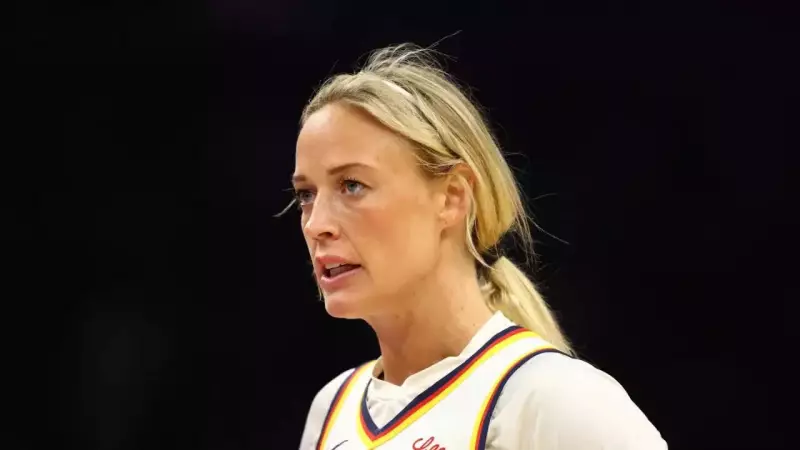
Sophie Cunningham, the outspoken WNBA star, has once again put the league's controversial pay structure under the microscope. Her candid remarks come at a time when the women's basketball league is witnessing unprecedented growth in popularity, yet a chasm remains between its cultural impact and the compensation its veteran players receive.
Cunningham's Viral Podcast Revelation
During an appearance on the "Sundae Conversations" podcast with host Caleb Pressley on December 21, Cunningham didn't mince words. When questioned about her earnings, she responded with a laugh, "You know, barely. But we're still surviving." The conversation took a significant turn when Pressley probed about a "Plan B" should the WNBA fail its players.
Cunningham clarified it was not a "Plan B" but a "Project B." This refers to a new global basketball league set to launch in 2026. Co-founder Grady Burnett has boldly claimed Project B will feature "the best basketball in the world," positioning it as a potential alternative for athletes seeking better financial opportunities.
The Stark Financial Reality of the WNBA
The core of Cunningham's frustration is rooted in hard numbers. While the NBA's top salary for the 2025-26 season is a staggering $59.6 million, the maximum a WNBA player can earn in the same period is just $249,000. The average WNBA salary for 2025 hovers around $102,000.
This disparity persists even as the WNBA celebrates record-breaking viewership and soaring ticket sales. The disconnect has become a central point in the ongoing high-stakes Collective Bargaining Agreement (CBA) negotiations, with players becoming increasingly vocal about undervaluation.
Exploring Avenues Beyond the Court
The interview also touched on modern revenue streams for athletes. When asked if players could bypass the league entirely and earn directly from platforms like OnlyFans, Cunningham acknowledged the league's role as a crucial platform for building a fanbase. However, she suggested, "Maybe plan B should support that platform," indicating a blend of traditional and entrepreneurial paths.
For a player of Cunningham's stature—she was the only WNBA star on Google's trend list for 2025—exploring every avenue is essential. Platforms that offer control over likeness and revenue are seen not just as side hustles, but as vital steps toward financial security beyond what many consider underwhelming league paychecks.
The Future: CBA Hopes and Alternative Leagues
There is some hope on the horizon. New CBA rules could potentially push the average WNBA salary over $500,000 by the 2026 season. However, the emergence of ventures like Project B signals a growing trend. Players are no longer just asking for better pay; they are actively seeking equity and substantial financial investments that the current league framework has struggled to provide.
Cunningham's public discussion underscores a pivotal moment for the WNBA. As the league's commercial success grows, the pressure to translate that success directly into player compensation and long-term career security has reached a boiling point. The choices made now will define the future for the next generation of women's basketball stars.