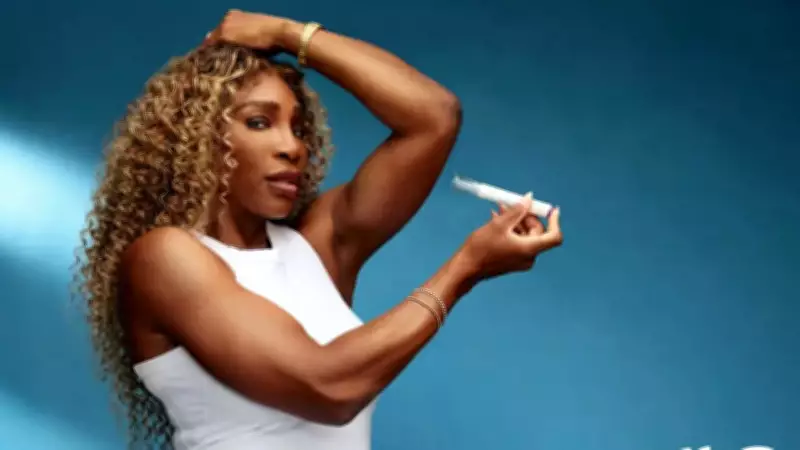
Serena Williams' GLP-1 Campaign Sparks Intense Debate on Athlete Influence
The criticism surrounding tennis legend Serena Williams has intensified significantly following her prominent appearance in a Super Bowl commercial campaign promoting GLP-1 weight-loss medications. The advertisement, created in partnership with the telehealth company Ro, featured Williams speaking candidly about her personal decision to use the drug after welcoming her second daughter in 2023.
Personal Health Decision or Problematic Promotion?
While Williams framed her participation as a personal health choice aimed at normalizing medical treatments, the campaign has ignited a much broader and heated conversation about celebrity influence, social responsibility, and the powerful messages that young audiences absorb from elite sports figures. The backlash has been particularly personal and emotional, especially among long-time fans who have historically viewed Williams as an iconic symbol of strength that transcends physical appearance.
One social media influencer, who identified as a dedicated admirer of Williams, articulated this internal conflict with striking clarity. "These Serena Williams GLP-1 ads are so triggering to me, and this is coming from somebody who loves Serena Williams," she expressed. "It hurts me to even talk about this, but my following is primarily young women, and I need y'all to know that this whole like being constantly sold things to make you prettier or skinnier or better is not normal."

The Erosion of Sports as a Body-Positive Space
The concern extends far beyond mere advertising fatigue. For many observers, the world of sports has traditionally represented a sanctuary with a fundamentally different message—one rooted in physical function and athletic capability rather than aesthetic form. "There are people who need that extra like oomph to lose weight, but it's just so sad to see that infiltrate the world of sports," the influencer continued. "That's how it's particularly heartbreaking to me. Sports has always been like a body positive space because your body is so much more than what it looks like when it comes to sports. It's your tool. It's your tool to function at your highest in your sport, and Serena Williams, she's the pinnacle of that."
Interestingly, the criticism has largely stopped short of directly blaming Williams herself. "But also that doesn't mean that she's not a woman and doesn't want to be beautiful or doesn't want help losing weight," the commentator noted. "And so like this isn't her fault, you know what I'm saying? It's not Serena Williams' fault... It's just like the promotion of it and like the reckless promotion of it on social media is so heartbreaking to me."
Williams Defends Decision Citing Tangible Health Benefits
Serena Williams has not retreated from her position. On the contrary, she has actively emphasized the health-related aspects of her decision. In a January 2026 interview with Today.com, Williams detailed measurable physiological improvements that have fundamentally altered her perspective on her own body.
"My blood sugar is better. I was able to lower my cholesterol by 30%," Williams revealed. "Some of these numbers [previous high cholesterol levels] are from when I was literally winning Grand Slams. It wasn't, like, just playing tennis. I was dominating. I was at risk for heart disease, and I didn't even know. ... That's scary."
Her testimony adds a crucial and complex layer to the ongoing debate. This controversy is not solely about public image or marketing messaging; it also involves private health realities that even world-class athletes at their physical peak can overlook. Reports indicate Williams lost approximately 31 pounds during her treatment, but she has consistently highlighted the internal health metrics and what they signify, rather than focusing on external appearance changes.

An Unresolved Conversation in Uncomfortable Territory
The national conversation now resides in an uneasy and ambiguous middle ground. There remains genuine admiration for Williams' transparency regarding her health journey. Simultaneously, there is palpable discomfort about how that personal honesty is being commercially packaged, amplified, and disseminated to a massive global audience through high-profile advertising campaigns. The dialogue continues to evolve, reflecting deeper societal tensions about health, beauty standards, celebrity influence, and the evolving role of athletes as cultural messengers.