Senegal's Africa Cup of Nations Triumph Overturned in Controversial CAF Ruling
In a stunning development that has sent shockwaves through African football, the Confederation of African Football (CAF) has officially overturned the result of the Africa Cup of Nations final and awarded the championship title to Morocco, months after the match concluded. This unprecedented decision has sparked immediate outrage and condemnation from Senegal, whose government has firmly rejected the ruling and demanded accountability from football's governing body.
The Original Final and CAF's Controversial Reversal
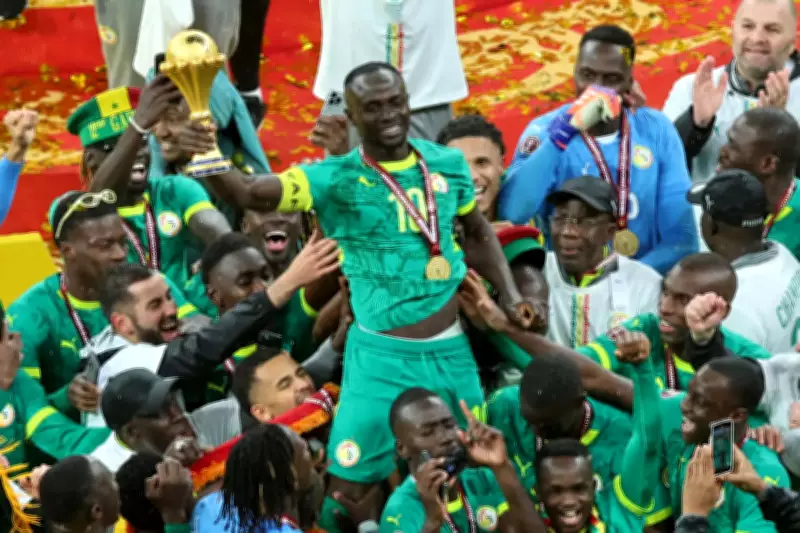
The original championship match saw Senegal emerge victorious over Morocco with a hard-fought 1-0 victory after extra time. However, the final moments of regulation time were marked by chaotic scenes when Senegal players briefly walked off the pitch to protest a penalty decision awarded to Morocco following a VAR review. Although the Senegalese team returned to the field and ultimately secured their victory, CAF has now ruled that this temporary exit violated competition regulations.
Explaining their dramatic reversal, CAF officials cited specific tournament rules stating that any team leaving the field without official permission should automatically forfeit the match with a 3-0 scoreline. This technical interpretation has now resulted in Morocco being declared the tournament champions, despite having lost the actual match on the field.

Senegal's Forceful Rejection and Corruption Allegations
The Senegalese government has responded with forceful condemnation of CAF's decision. Government spokesperson Marie Rose Khady Fatou Faye declared, "By calling into question a result achieved at the end of a match that was properly played and won in accordance with the rules of the game, the CAF seriously undermines its own credibility."
Faye added emphatically, "Senegal unequivocally rejects this unjustified attempt at dispossession" and called for "an independent international investigation into suspected corruption within the CAF's governing bodies." This represents a significant escalation in the controversy, moving beyond sporting regulations into allegations of institutional misconduct.
Legal Challenges and Football Federation Responses
Senegal's football authorities have confirmed they will challenge CAF's decision at the Court of Arbitration for Sport, the highest legal authority in international sports disputes. The Senegalese Football Federation issued a strong statement declaring, "The Senegalese Football Federation condemns this unjust, unprecedented and unacceptable decision, which brings African football into disrepute."
Meanwhile, Morocco's football governing body has maintained that their appeal was focused solely on enforcing competition rules, stating it "was never intended to contest the sporting performance" but rather to ensure regulations were properly followed. This positions the controversy as a clash between strict rule interpretation and the actual sporting outcome achieved on the field.
The Tense Final Moments and Broader Implications
The controversy stems from a particularly tense conclusion to the championship match, which included:
- A late penalty awarded to Morocco after extensive VAR review
- Crowd disturbances that disrupted play multiple times
- Senegal's brief walk-off protest against the penalty decision
- Intervention by Senegalese star Sadio Mane to help calm the situation
With both nations standing firm in their positions, the ultimate resolution of this championship now depends entirely on legal proceedings at the Court of Arbitration for Sport. This leaves one of Africa's most prestigious football tournaments under a significant cloud of controversy, raising fundamental questions about:
- The balance between strict rule enforcement and sporting merit
- The timing of such significant decisions months after matches conclude
- The credibility of African football governance
- The precedent this sets for future tournament disputes
The outcome of this legal battle will not only determine the official Africa Cup of Nations champion but could potentially reshape how football governing bodies interpret and enforce competition rules across the continent for years to come.