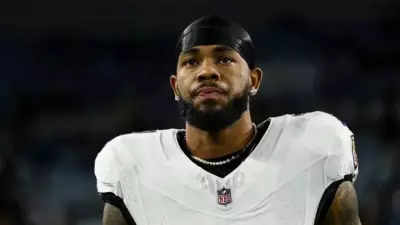
The Philadelphia Eagles have ushered in a new era of offensive leadership with the appointment of Sean Mannion as their offensive coordinator. This move represents far more than simply filling a vacant position on the coaching staff. It signals a deliberate philosophical shift toward prioritizing development, teaching, and modern offensive principles over chasing established names with proven track records.
A Bold Statement of Direction and Trust
Following a season where the Eagles' offense significantly underperformed expectations, head coach Nick Sirianni faced mounting pressure to address the leadership at the top of his scheme. The decision to hire Mannion, a relatively inexperienced coach, speaks volumes about the franchise's current mindset. It demonstrates urgency to correct course without succumbing to panic, opting instead for a reset built on structure, adaptability, and a fresh perspective.
This is a particularly bold strategy for a team that remains constructed to compete for championships in the immediate future, not in some distant rebuilding phase. By choosing Mannion, the Eagles are placing their trust in potential and process over past accomplishments, betting that his unique background can translate into on-field success.

Mannion's Rapid Ascent and Defining Opportunity
Sean Mannion steps into the role as the fifth offensive coordinator under Nick Sirianni's tenure, replacing Kevin Patullo after just a single season. At 33 years old, Mannion instantly becomes one of the youngest coordinators in the entire National Football League. What makes this appointment especially noteworthy is his complete lack of prior play-calling experience at the professional level.
This reality inherently makes the hire a calculated risk, but it also reveals Sirianni's conviction. The Eagles' head coach deliberately avoided pursuing a familiar, veteran name. Instead, he selected a coach he genuinely believes can grow and evolve in tandem with the team's roster, fostering a symbiotic relationship between coach and players.
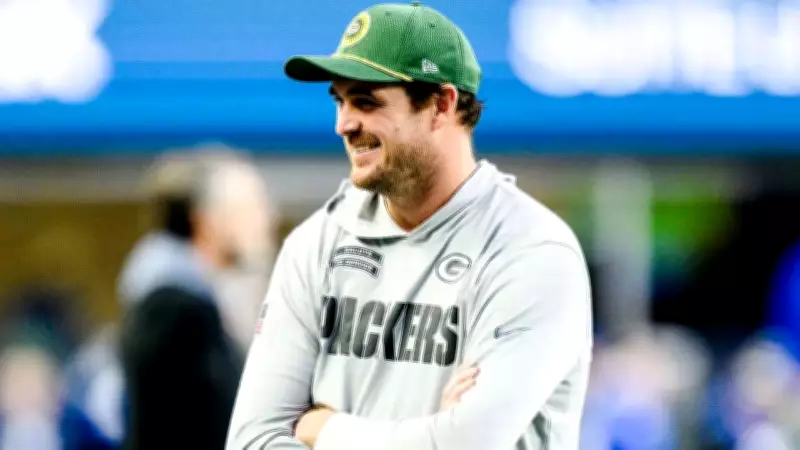
Mannion's rise through the coaching ranks has been nothing short of meteoric. After concluding his playing career in 2023, he joined the Green Bay Packers' staff as an offensive assistant in 2024. Within a single year, he earned enough trust to be promoted to quarterbacks coach following the retirement of Tom Clements. This rapid advancement placed him directly inside the intricate workings of Matt LaFleur's offensive system, renowned for its emphasis on precise timing, strategic pre-snap motion, and quarterback-friendly progressions.
A Playing Career That Quietly Built a Foundation
Mannion's nine-year NFL playing career, though not statistically headline-grabbing, provided him with an invaluable education. Drafted by the Los Angeles Rams in the third round of the 2015 NFL Draft, he spent nearly a decade absorbing offensive philosophies from both the sideline and the meeting room.
Subsequent stops with the Minnesota Vikings and Seattle Seahawks significantly expanded his exposure to the influential Shanahan coaching tree. He learned under offensive masterminds like Sean McVay, Kevin O'Connell, and Zac Taylor, gaining insights into some of the league's most dynamic and successful schemes. Few first-time coordinators enter their inaugural role with such a diverse and prestigious range of coaching influences shaping their approach.
The Task Ahead: Stabilization Over Reinvention
The challenge awaiting Mannion in Philadelphia is clearly defined. The Eagles' offense regressed markedly last season, finishing a disappointing 19th in scoring and 24th in total offense. These represent the lowest statistical rankings of the Nick Sirianni era, highlighting the unit's loss of rhythm and identity at critical moments.
Mannion's primary task is not to completely reinvent the offensive playbook with flashy, unproven concepts. His mission is to provide stability, clarity, and consistent execution. The Eagles need their offensive operation to become reliable and efficient above all else. If Mannion can successfully translate his extensive teaching background and learned schematic principles into clear, decisive game-day management, this perceived gamble could quietly become the catalyst that reshapes the franchise's offensive future for years to come.

The spotlight is now firmly on Sean Mannion. He carries the promise of a new direction and the considerable pressure of immediate expectations into the heart of Philadelphia.