Historic Gold Medal Ends Russia's Paralympic Anthem Drought
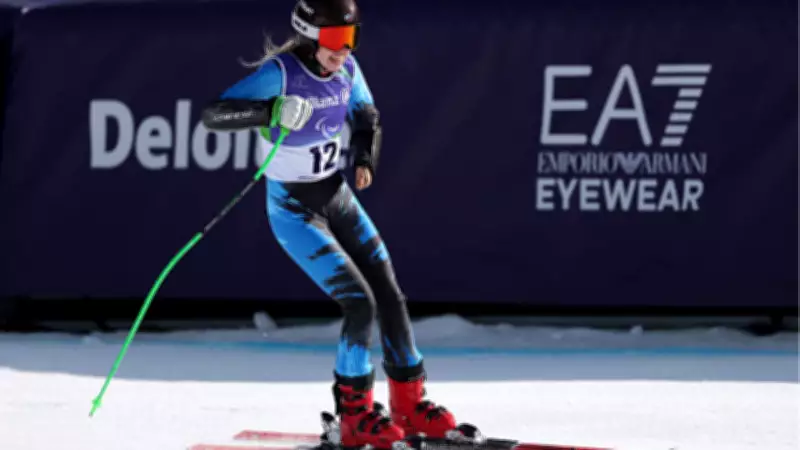
In a moment laden with symbolism and geopolitical significance, the Russian national anthem echoed through a Winter Paralympics venue for the first time in more than twelve years on Monday. This historic occasion was triggered by para alpine skier Varvara Voronchikhina's triumphant gold medal victory in the women's super-G standing event at the 2026 Milan-Cortina Winter Paralympics.
A Decade-Long Silence Broken
The 23-year-old athlete's commanding performance not only secured the top podium position but also marked a profound return for Russian sport to the international stage. Voronchikhina's win represents the first instance since the 2014 Sochi Winter Paralympics that Russia's anthem has been played for a Paralympic gold medal. At the broader Olympic level, the anthem had been absent since the 2016 Summer Games in Rio de Janeiro.
This breakthrough follows years of strict sanctions and competitive restrictions imposed on Russian athletes. These measures were initially enacted in response to revelations of a state-backed, systematic doping program within Russian sports. The sanctions were subsequently extended and intensified following Russia's military invasion of Ukraine in early 2022.

Voronchikhina's Impressive Paralympic Campaign
Varvara Voronchikhina demonstrated exceptional skill and consistency throughout the Milan-Cortina Games. Her gold medal in the super-G standing race was preceded by a bronze medal performance in the downhill event just two days earlier, showcasing her versatility and competitive edge. Her victory on Monday officially ended the prolonged absence of the Russian anthem at premier global sporting competitions.
The International Paralympic Committee permitted a limited contingent of Russian athletes to compete at these Games through special wildcard entries. Russia arrived in Italy with a modest delegation of only six competitors, highlighting the ongoing limitations placed on their participation.
Controversy and Geopolitical Tensions
The decision to allow Russian athletes to compete under their national flag has generated substantial international debate and controversy. Several nations, most notably Ukraine, have voiced strong opposition to Russia's reinstatement. In a visible protest, multiple national delegations chose to boycott the Paralympics' opening ceremony last Friday, underscoring the persistent diplomatic and ethical tensions surrounding Russia's presence in international sport.
Despite these controversies, Voronchikhina's achievement stands as a significant milestone. It symbolizes a cautious, partial reintegration of Russian athletics into the global community, even as broader geopolitical conflicts continue to influence the world of sports. The playing of the anthem serves as a powerful reminder of the complex intersection between athletic achievement, national identity, and international politics.