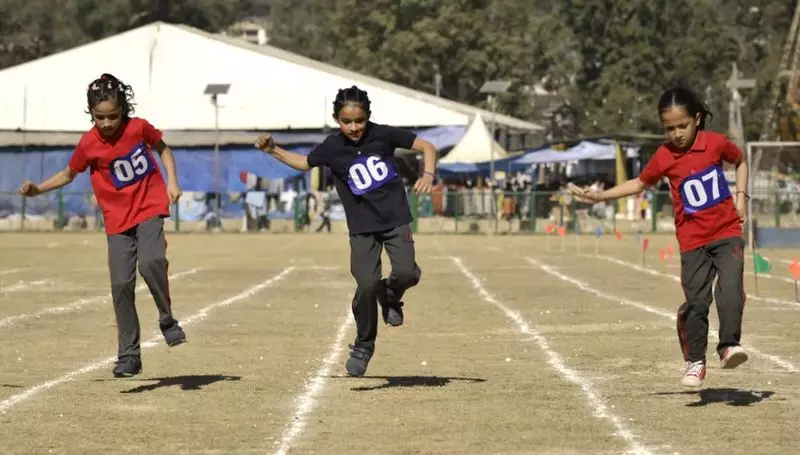
Organisations dedicated to promoting sports in the rural heartlands of Punjab have raised a collective voice, demanding a more significant and formal role in the planning and execution of national-level sporting events. They argue that the current framework sidelines the immense talent and traditional games nurtured in India's villages.
A Call for Inclusion and Recognition
The appeal was formally presented during a recent meeting of the Punjab Olympic Association. Representatives from several key rural sports bodies, including the Punjab Rural Sports Promotion Council and the Punjab Kabaddi Sangathan, were present. Their core argument hinges on the belief that national sports federations often operate in an urban-centric bubble, overlooking the unique ecosystem and needs of rural sports.
These organisations are not merely seeking a symbolic seat at the table. They are pushing for direct involvement in decision-making processes, from selecting venues and forming committees to managing the logistics of events that feature games popular in rural areas. The sentiment is that those who work at the grassroots level understand the challenges and opportunities best.

The Plight of Traditional Games and Athletes
A significant part of their grievance revolves around the perceived neglect of indigenous and traditional sports. Games like kabaddi, wrestling, and others with deep roots in rural culture are showcased in national events, but the planning, they claim, lacks the insight of rural experts. This can lead to logistical hiccups and a format that doesn't truly resonate with the sport's traditional spirit.
Furthermore, these bodies act as the primary scouts and nurseries for raw talent. Without their structured involvement, they fear that many promising athletes from villages may never get a fair shot at national recognition. "Our coaches and promoters are the first point of contact for these athletes. Excluding us from the national event chain breaks a crucial link in talent development," explained a representative from the discussion.
Seeking Government Backing for Systemic Change
The rural sports organisations have not limited their appeal to sports federations alone. They are actively urging both state and central government agencies to intervene and create policies that mandate their inclusion. They propose a model where their representatives are automatically part of the organizing committees for any national event featuring rural-centric sports.
The proposed benefits are multifaceted. It would ensure events are more authentically organized, improve athlete welfare from the grassroots up, and bring much-needed institutional support and funding to the rural sports infrastructure. This move, they believe, is essential for the holistic development of sports in India, bridging the gap between the country's vast rural sporting community and the national stage.
The outcome of this demand remains to be seen. However, it has sparked an important conversation about inclusivity and the need to decentralize sports management in India to truly harness the nation's full athletic potential.